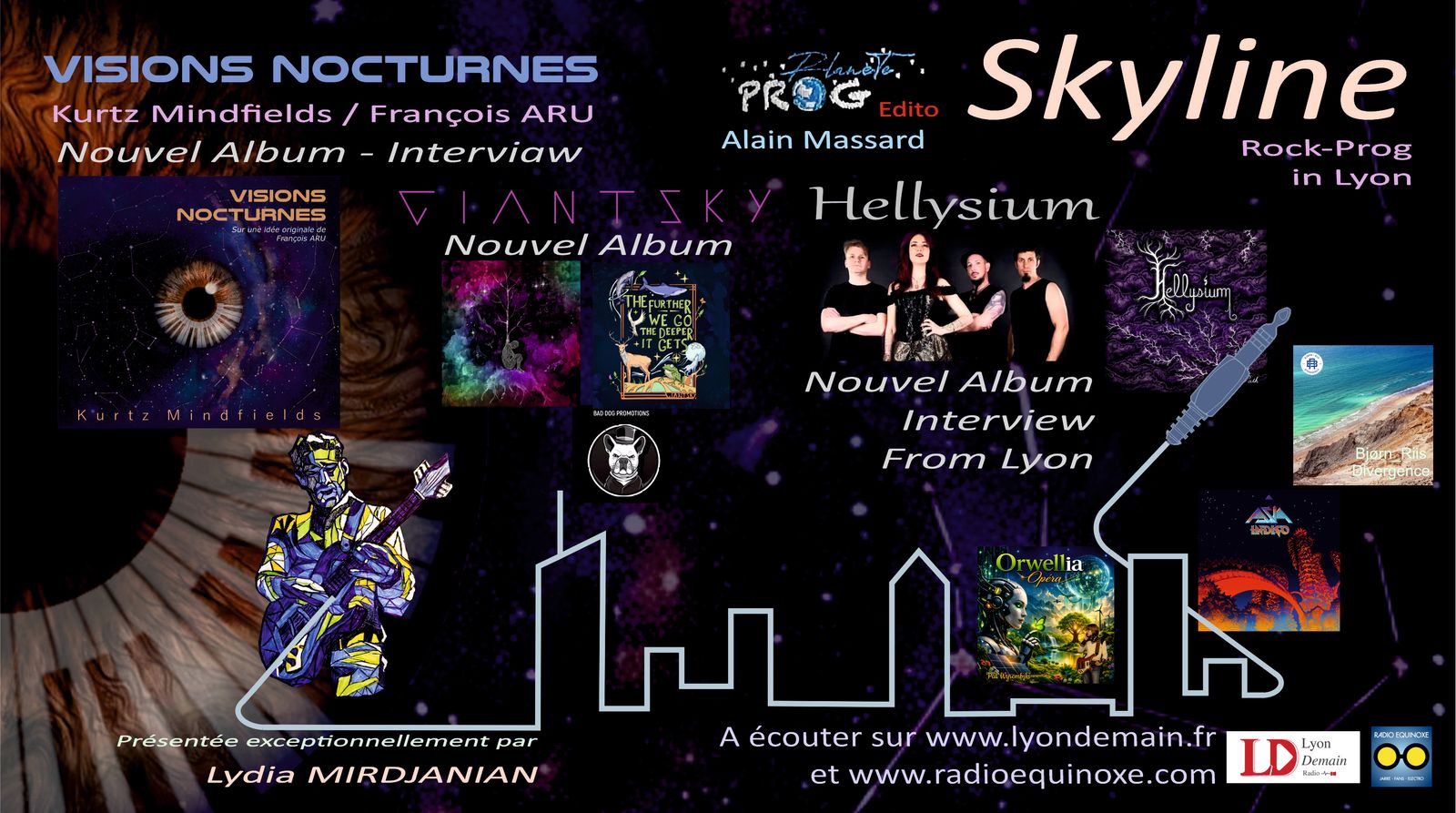
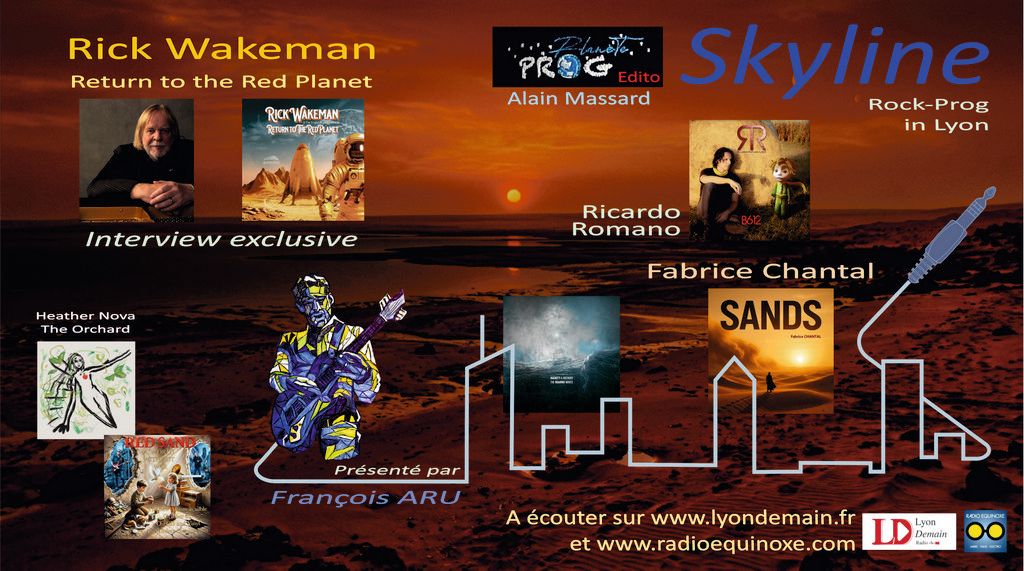
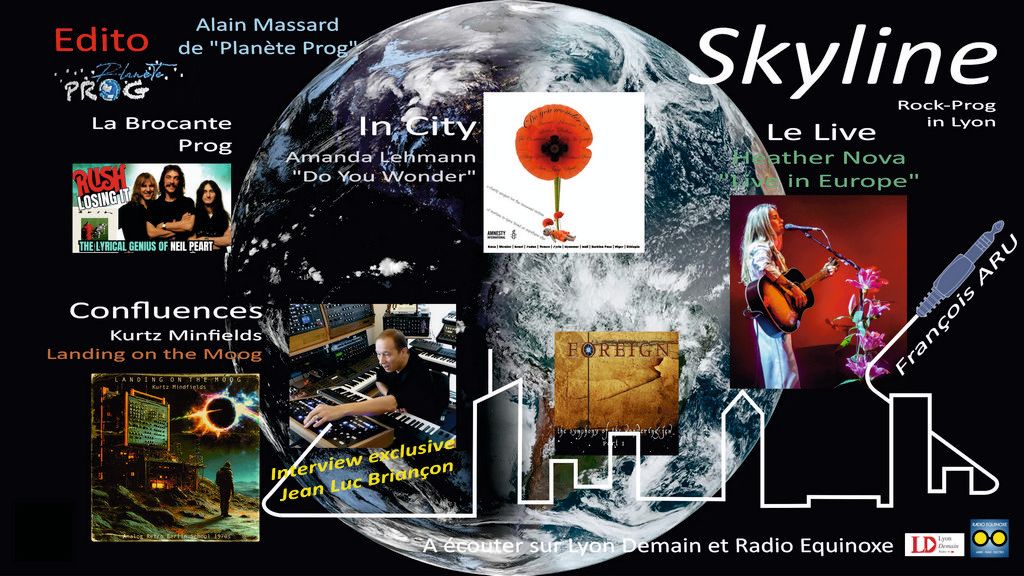
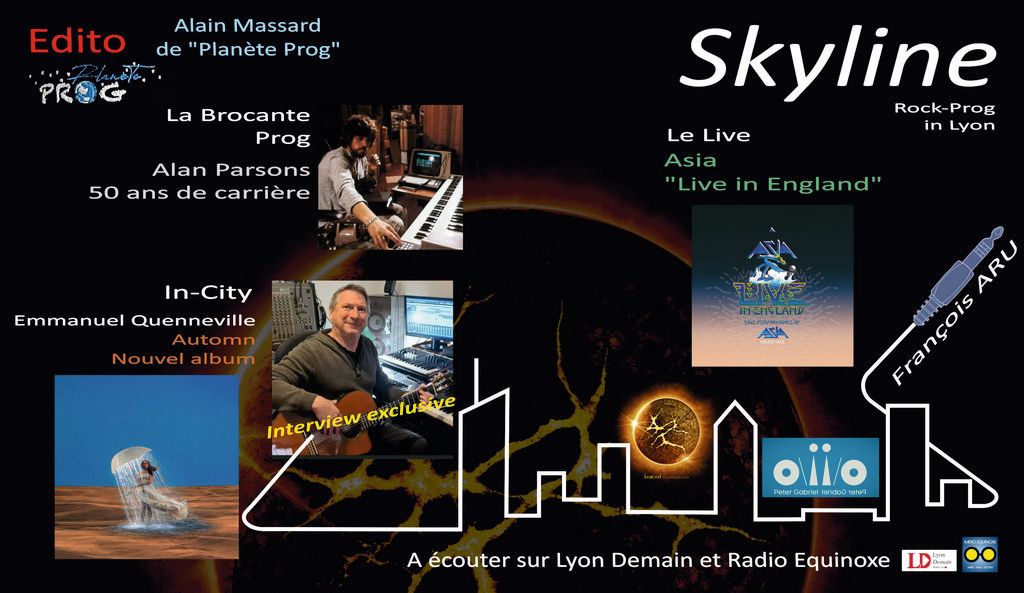
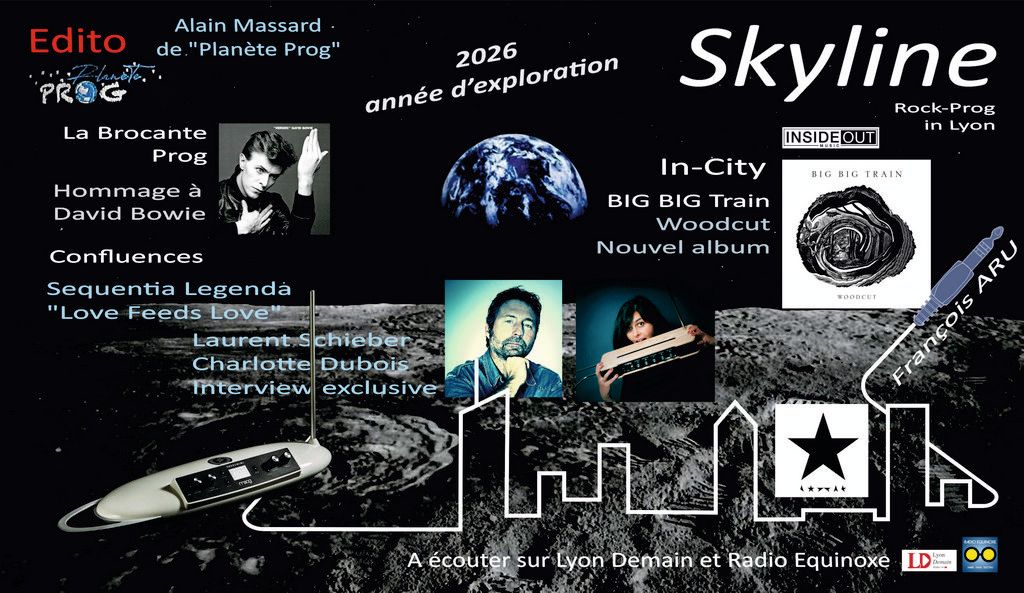
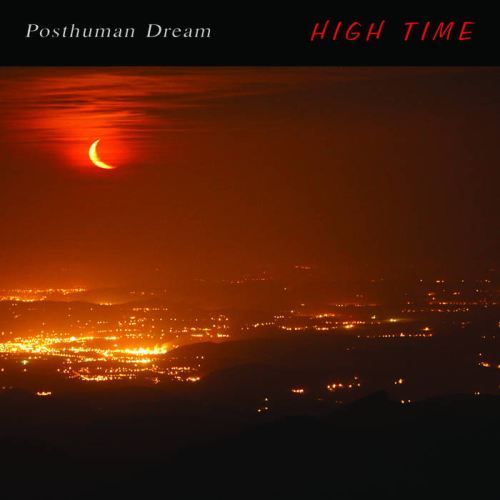
Welcome to Skyline, the show that takes you on a journey through progressive rock all the way to the far reaches of the galaxy. And no, you’re not dreaming—it’s Lydia who’s here today to…
Coming up on "Electro Évasion," the FTMS Production playlist, this weekend (Friday at 6 p.m. and Sunday at 9 p.m.): Analog 80, Astrovoyager, Cross…
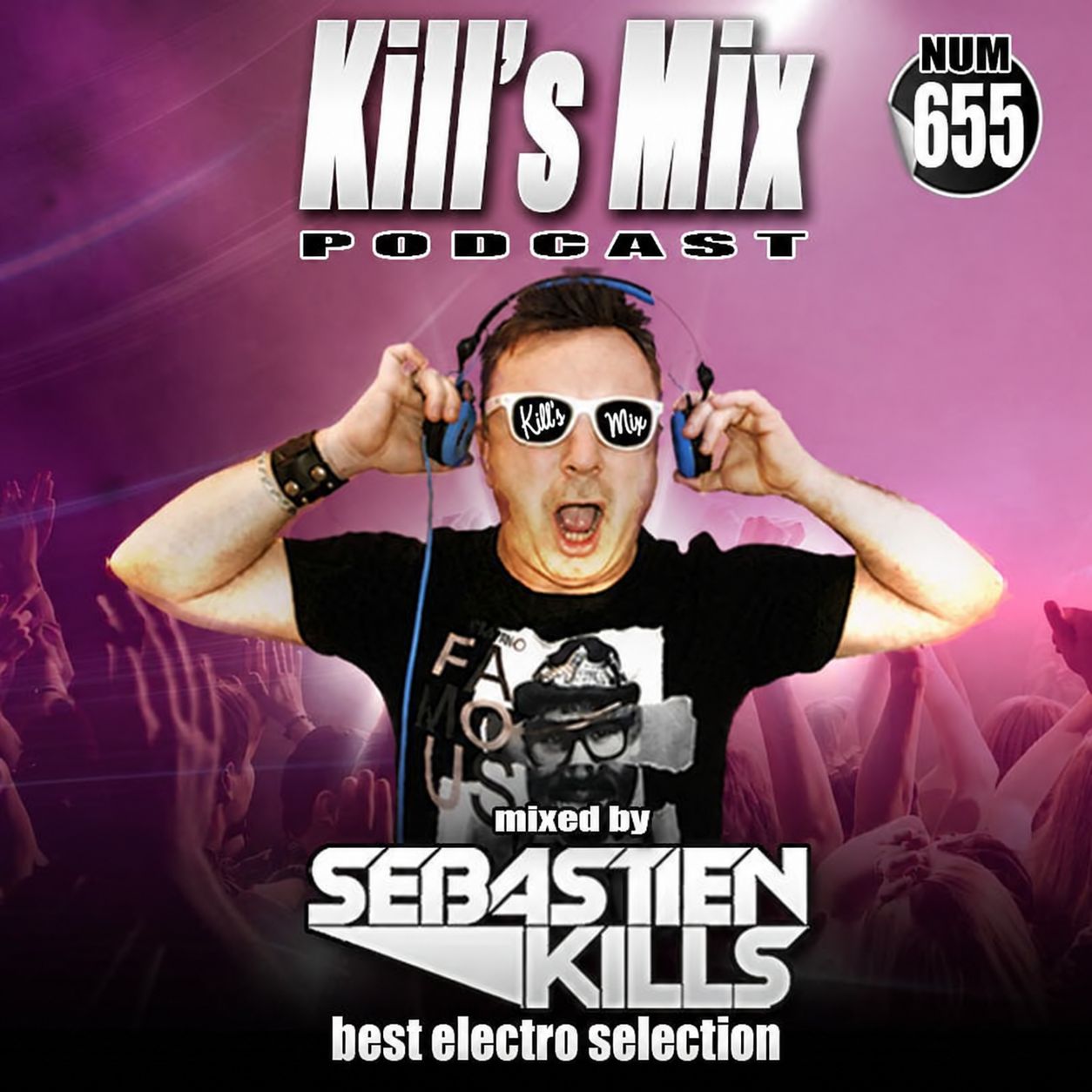
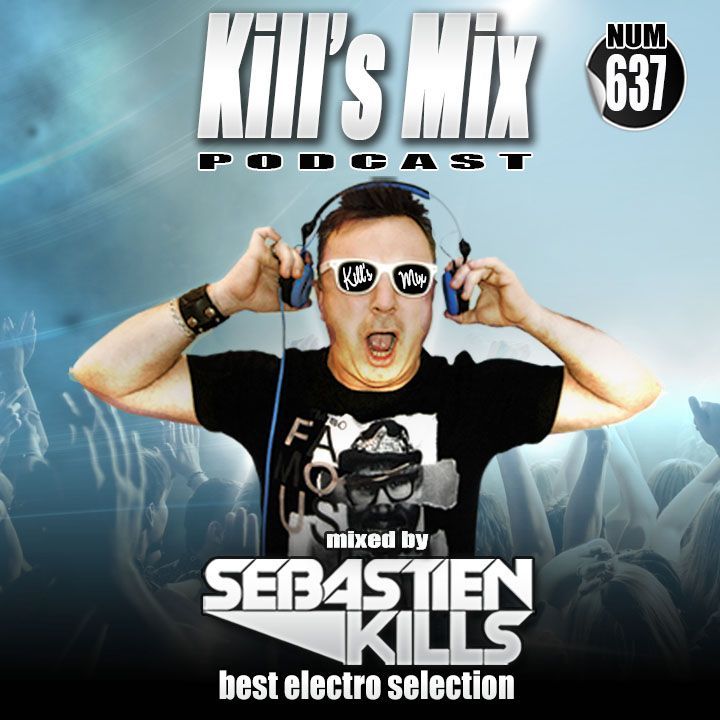
On the lineup for the 655th episode of Kills Mix this weekend (Friday and Saturday starting at 10 p.m.): Daft Punk - Around The World (Milesun Edit), Dom Dolla,…
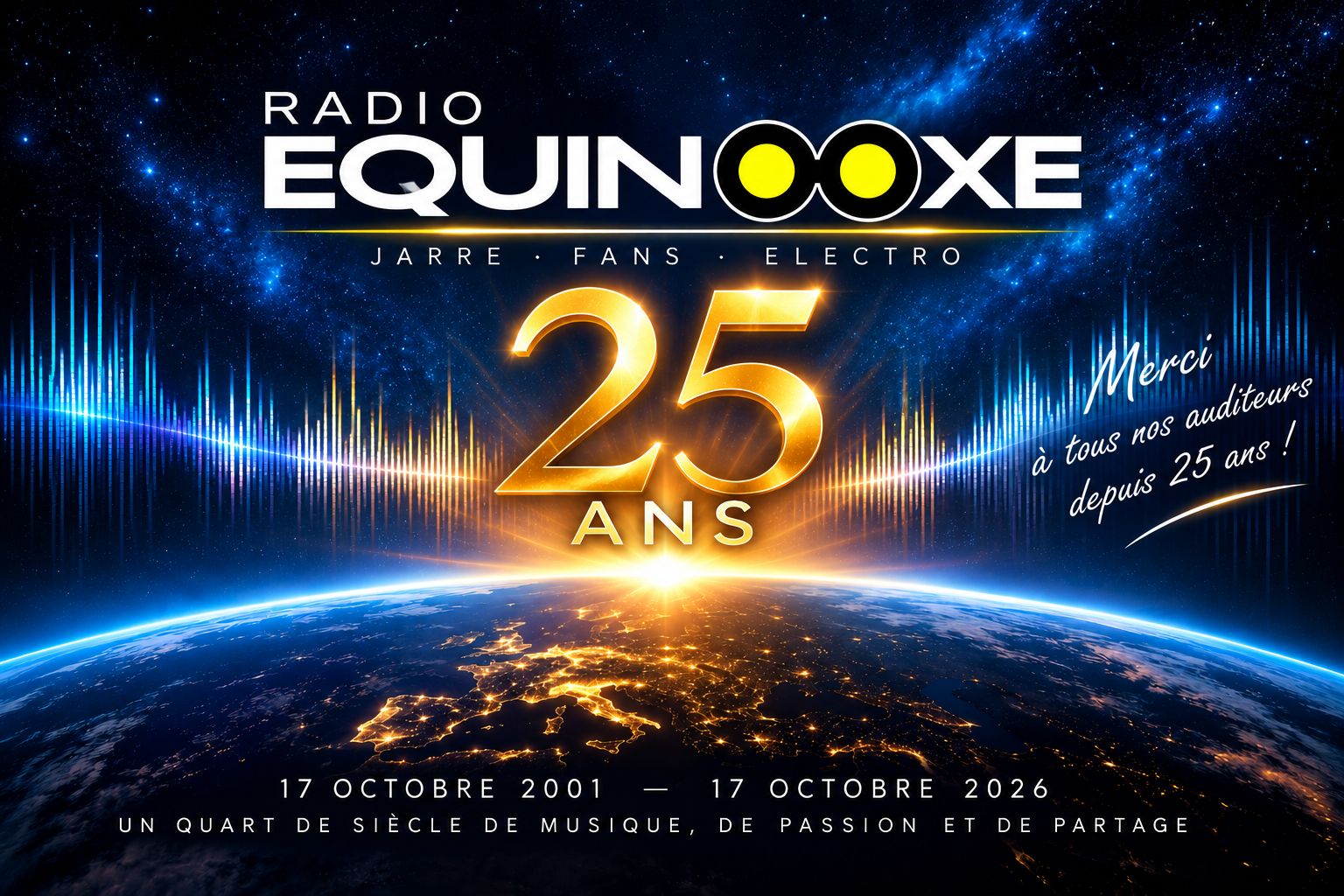
October 17, 2001 – October 17, 2026. Today, Radio Équinoxe is celebrating its 25th anniversary! 25 years of music, discoveries, encounters, and passion…
Coming up on "Electro Évasion," the FTMS Production playlist, this weekend (Friday at 6 p.m. and Sunday at 9 p.m.): Aaron Marshall, Analog 80,…
On the lineup for the 654th episode of Kills Mix this weekend (Friday and Saturday starting at 10 p.m.): Revine, WHNG, HUCS - "Don't Come Back" (Extended Mix)…
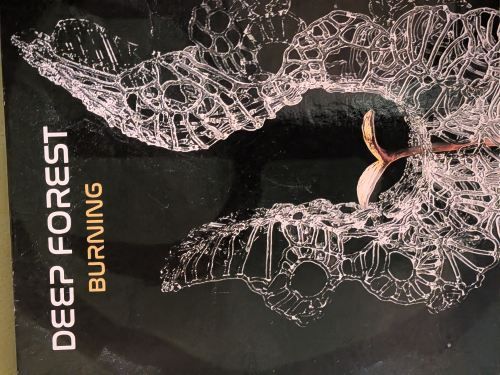
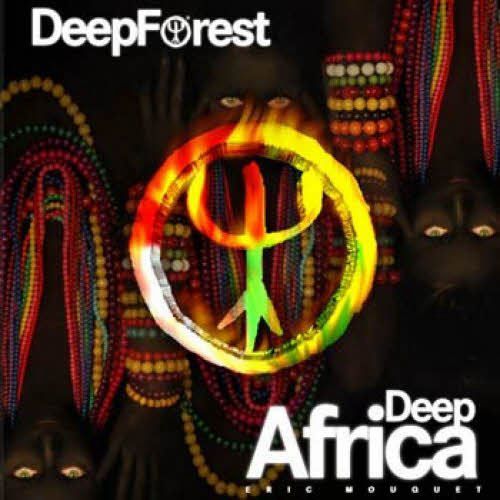
Coming up on "Electro Évasion," the FTMS Production playlist, this weekend (Friday at 6 p.m. and Sunday at 9 p.m.): Deep Forest, Eric Bettens,…
On the lineup for the 653rd episode of Kills Mix this weekend (Friday and Saturday starting at 10 p.m.): Phil Collins - Another Day In Paradise (L2O Remix), Hugel,…
Coming up on "Electro Évasion," the FTMS Production playlist, this weekend (Friday at 6 p.m. and Sunday at 9 p.m.): Alpha Lyra, Analog 80, Deep…
On the lineup for the 652nd episode of Kills Mix this weekend (Friday and Saturday starting at 10 p.m.): Block & Crown - Celebration (VIP Edit), Tom Jones - Sex…
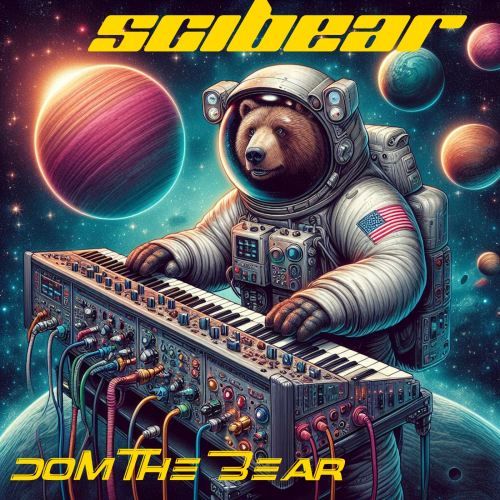
Coming up on "Electro Évasion," the FTMS Production playlist, this weekend (Friday at 6 p.m. and Sunday at 9 p.m.): Deep Forest, Dom The Bear,…
Coming up on the 651st episode of Kills Mix this weekend (Friday and Saturday starting at 10 p.m.): Phil Collins - Another Day In Paradise (L2O Remix) Bebe…
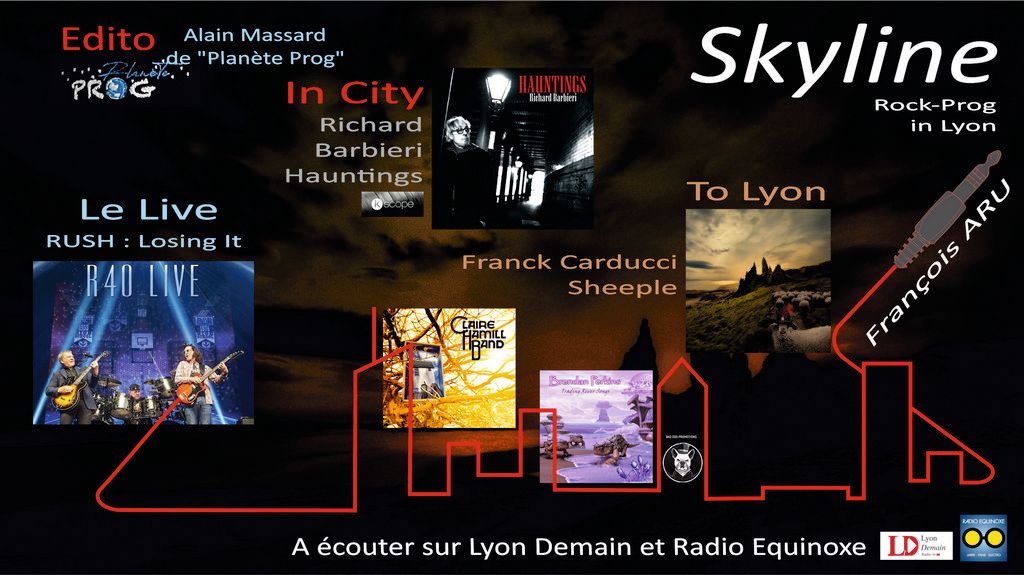
Premieres Saturday, September 18, at 3 p.m. “Skyline Rock Prog in Lyon,” the show hosted by François Aru, airs every Saturday starting at…
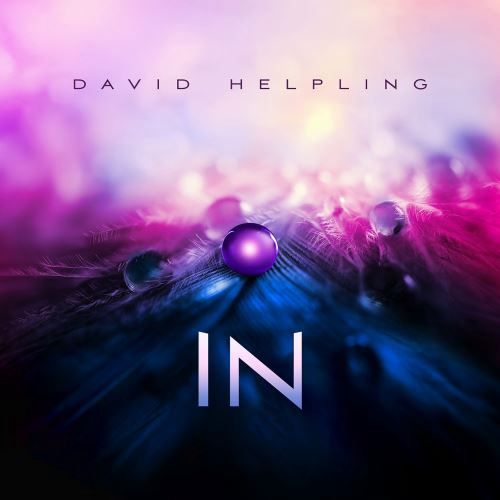
Coming up on "Electro Évasion," the FTMS Production playlist, this weekend (Friday at 6 p.m. and Sunday at 9 p.m.): Analog 80, David Helpling, Deep…
On the lineup for the 650th episode of Kills Mix this weekend (Friday and Saturday starting at 10 p.m.): Tatan Bilbao - Toda La Noche (Extended Mix), Kennedy - On…
Coming up on "Electro Évasion," the FTMS Production playlist, this weekend (Friday at 6 p.m. and Sunday at 9 p.m.): Deep Forest, Delphine Cerisier,…
Featured on the 649th episode of Kills Mix this weekend (Friday and Saturday starting at 10 p.m.): Revine, WHNG, HUCS - "Don't Come Back" (Extended Mix)…
Coming up on the 648th episode of Kills Mix this weekend (Friday and Saturday starting at 10 p.m.): John Newman - "Love Me Again" (BATZ Remix), David Guetta,…
Coming up on "Electro Évasion," the FTMS Production playlist, this weekend (Friday at 6 p.m. and Sunday at 9 p.m.): Darrell Farnsworth, David…
Coming up on the 647th episode of Kills Mix this weekend (Friday and Saturday starting at 10 p.m.): David Guetta, Jaden Bojsen - "Upside Down" (Extended Mix)…
Coming up on "Electro Évasion," the FTMS Production playlist, this weekend (Friday at 6 p.m. and Sunday at 9 p.m.): Analog 80, Deep Forest, Emmanuel…
On the lineup for the 646th episode of Kills Mix this weekend (Friday and Saturday starting at 10 p.m.): Daft Punk - Get Lucky (Twin Diplomacy Edit), Whitney…
On the lineup for the 645th episode of Kills Mix this weekend (Friday and Saturday starting at 10 p.m.): Daft Punk - Get Lucky (Twin Diplomacy Edit), Whitney…
Coming up on "Electro Évasion," the FTMS Production playlist, this weekend (Friday at 6 p.m. and Sunday at 9 p.m.): Analog 80, Astrovoyager, Bastien…
On the lineup for the 644th episode of Kills Mix this weekend (Friday and Saturday starting at 10 p.m.): Yofunders, NUBE - Feel Better (Under The Sun) (extended…
On the lineup for the 643rd episode of Kills Mix this weekend (Friday and Saturday starting at 10 p.m.): Christophe Willem - Systaime (Marlin Remix), Jacques…
Coming up on "Electro Évasion," the FTMS Production playlist, this weekend (Friday at 6 p.m. and Sunday at 9 p.m.): David Helpling, Deep Forest, Dom…
On the lineup for the 642nd episode of Kills Mix this weekend (Friday and Saturday starting at 10 p.m.): Jacques Dutronc x French Fuse - Il Est Cinq Heure Paris s…
Coming up on the 641st episode of Kills Mix this weekend (Friday and Saturday starting at 10 p.m.): Jennifer Lopez - Can't Get Enough (Vincent Bastille Remix)…
Completely redesigned and rewritten from scratch, our new website offers a host of features that, unfortunately, had been missing from the old one for quite some time…
On the lineup for the 640th episode of Kills Mix this weekend (Friday and Saturday starting at 10 p.m.): Hypaton, Izzy Bizu - "Slide" (extended), Gordo x Reinier…
Coming up on "Electro Évasion," the FTMS Production playlist, this weekend (Friday at 6 p.m. and Sunday at 9 p.m.): Cédric Leroy, Cenesthesia, David…
Coming up on Electro Évasion, the FTMS Production playlist, this weekend (Friday at 6 p.m. and Sunday at 9 p.m.): Analog 80, Deep Forest, Francis Rimbert, Franck Goupil, Hélène Vogelsinger, Kurtz Mindfields, Ludovic Foustoul, Olyam, Richard Anthony Bean, Stephane Helie, Time Composer, Toxygenedk, Tristan Bres…
Here's what's on the schedule for the 639th episode of Kills Mix this weekend (Friday and Saturday starting at 10 p.m.):
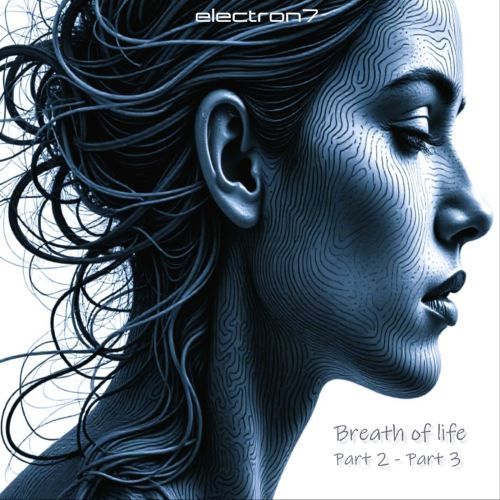
This weekend’s lineup for Electro Évasion, the FTMS Production playlist (Friday at 6 p.m. and Sunday at 9 p.m.), features: Analog 80, David Helpling, Deep Forest, Electron7, Elektra-Rtk, Eric Bettens, Francis Rimbert, K’sandra, Manu Quenneville, Michael Sean O’Connor, Novo¶, Olivier Romary, Tristan Bres…
Here's what's on the schedule for the 638th episode of Kills Mix this weekend (Friday and Saturday starting at 10 p.m.):
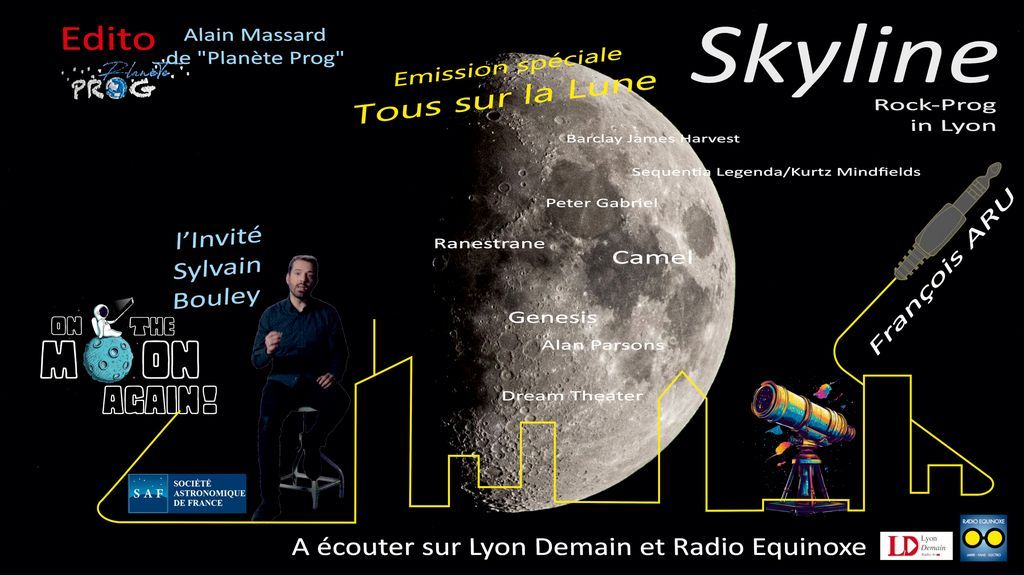
Premieres Saturday, June 20, at 3:00 p.m. “Skyline Rock Prog in Lyon,” the show hosted by François Aru, airs every Saturday starting at 3:00 p.m. It is rebroadcast every Sunday starting at 11:00 p.m. and is available at any time to members of the Radio Equinoxe association. “On the Moon Again”—it could have been… Read more…
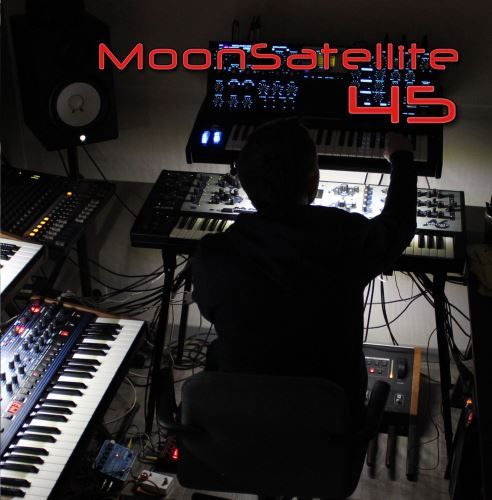
Coming up on Electro Évasion, the FTMS Production playlist, this weekend (Friday at 6 p.m. and Sunday at 9 p.m.): Alpha Lyra, Analog 80, Deep Forest, Electron7, Francis Rimbert, Franck Goupil, Manuel-M, Moonsatellite, Richard Anthony Bean, Stany Balland, Toxygenedk, Tristan Bress, Uni Sphere…
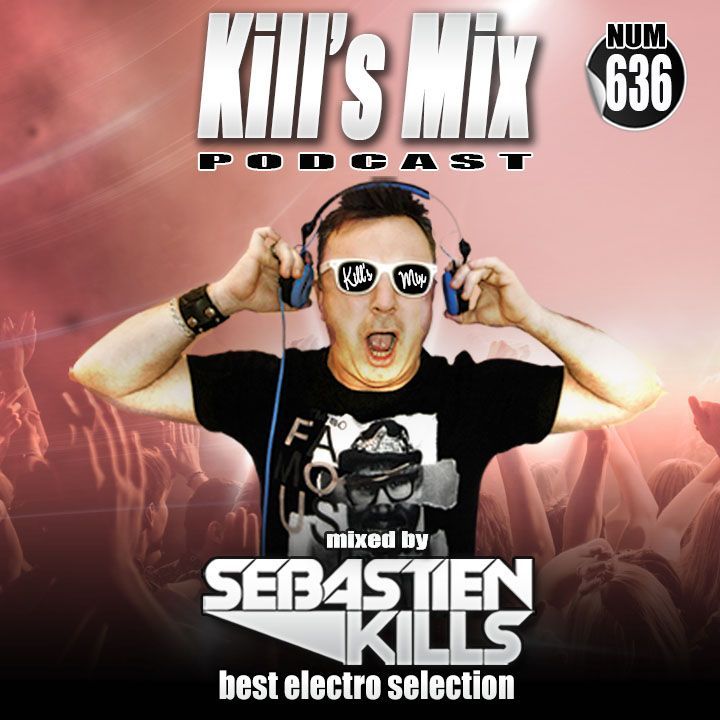
Here's what's on the schedule for the 636th episode of Kills Mix this weekend (Friday and Saturday starting at 10 p.m.):
To participate in testing the new Radio Equinoxe app for Android, sign up here: https://play.google.com/apps/testing/com.radioequinoxe.app
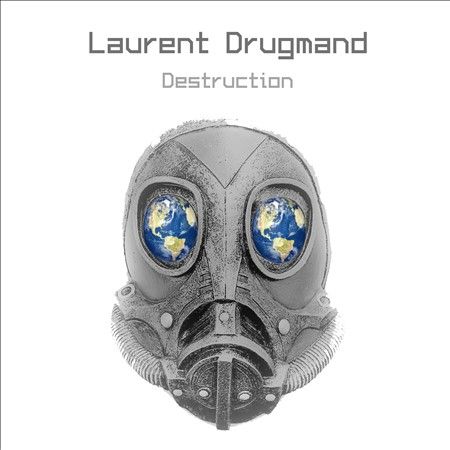
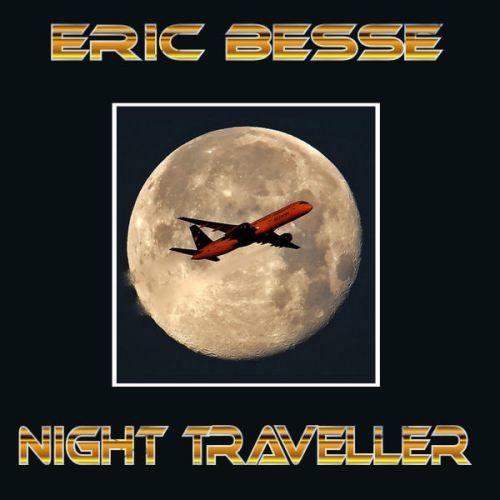
Coming up on Electro Évasion, the FTMS Production playlist, this weekend (Friday at 6 p.m. and Sunday at 9 p.m.): Deep Forest, Dom The Bear, Electron7, Eric Besse, Eric Bettens, Francis Rimbert, Laurent Drugmand, Michael Sean O’Connor, Moonsatellite, Richard Anthony Bean, Toxygenedk, Toxygenedk, Virtual Audio Project…
This weekend (Friday at 6 p.m. and Sunday at 9 p.m.), the Electro Évasion program—FTMS Production’s playlist—features: David Helpling, Delphine Cerisier, Francis Rimbert, Laurent Drugmand feat. Stephan Wauty, Marc Naveau, Nanisound, Narva9, Patroux, Richard Djan, Sandra Baudin & Francis Rimbert, Time Composer, Toxygenedk…
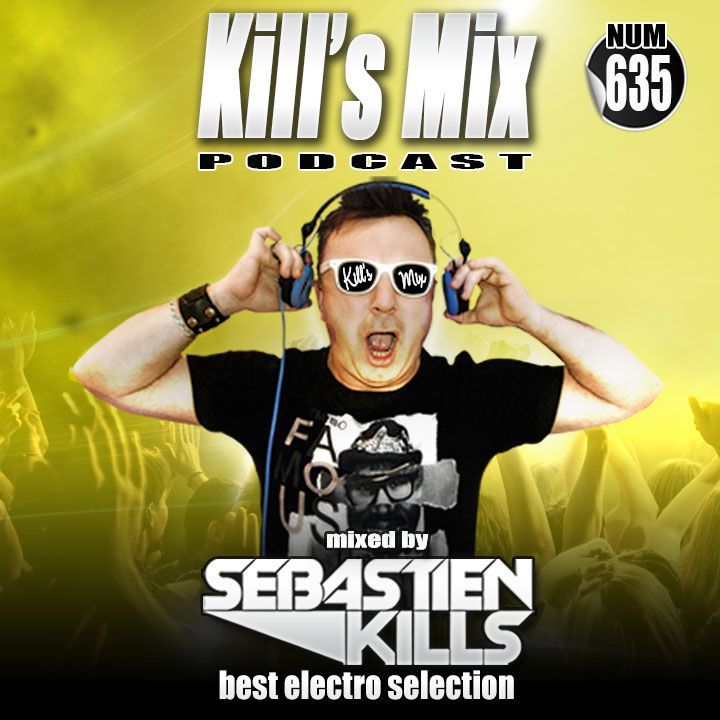
Here's what's on the schedule for the 635th episode of Kills Mix this weekend (Friday and Saturday starting at 10 p.m.):
Coming up on Electro Évasion, the FTMS Production playlist, this weekend (Friday at 6 p.m. and Sunday at 9 p.m.): Analog 80, Azuma, Coralie Ehinger, Deep Forest, Dom The Bear, Electron7, Eleon, Emmanuel Abat, Eriops Tie, Francis Rimbert, Kurtz Mindfields, Richard Anthony Bean, Vansound…
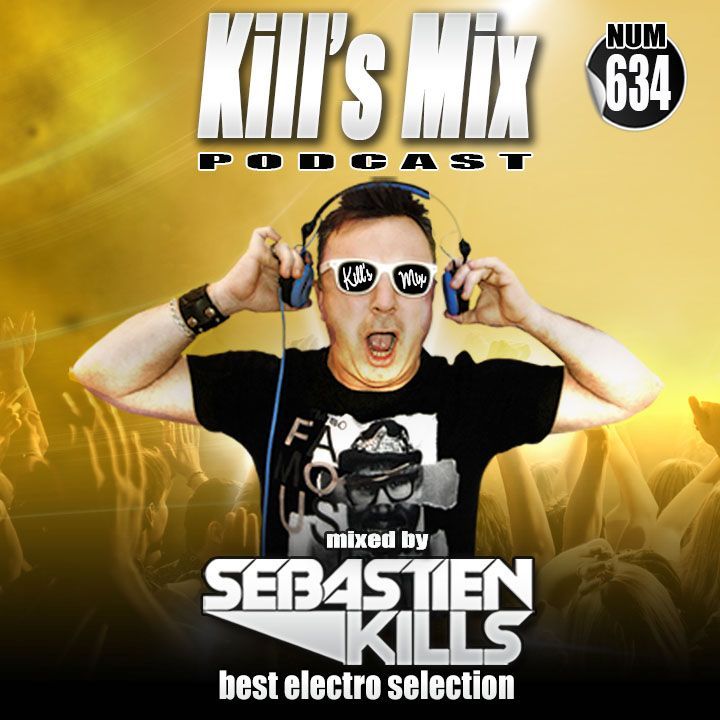
Here's what's on the schedule for the 634th episode of Kills Mix this weekend (Friday and Saturday starting at 10 p.m.):
First broadcast on Saturday, May 23, at 3 p.m. Skyline Rock Prog in Lyon, the show hosted by François Aru, airs every Saturday starting at 3 p.m. It is rebroadcast every Sunday starting at 11 p.m. and is available anytime to members of the Radio Equinoxe association. Highlights from this May episode: Read more…
Coming up on Electro Évasion, the FTMS Production playlist, this weekend (Friday at 6 p.m. and Sunday at 9 p.m.): David Helpling & Jon Jenkins, Deep Forest, Eddie Jobson, Eleon, Emmanuel Abat, Eric Bettens, Francis Rimbert, Hélène Vogelsinger, Kurt Ader, Manuel-M, Olyam, Stany Balland, Toxygenedk…
Here's what's on the schedule for the 633rd episode of Kills Mix this weekend (Friday and Saturday starting at 10 p.m.):
Coming up on Electro Évasion, the FTMS Production playlist, this weekend (Friday at 6 p.m. and Sunday at 9 p.m.): Deep Forest, Dom The Bear, Electron 7, Eric Bettens, Francis Rimbert, Franck Goupil, Manuel-M, Michael Sean O’Connor, Olyam, Richard Anthony Bean, Sylvain Carel, Terra Pi, Toxygenedk…
On the lineup for the 632nd episode of Kills Mix this weekend (Friday and Saturday starting at 10 p.m.): Tony Romera – Waste My Time (Extended Mix)
Your radio station has switched hosts. If you usually listen to us through a platform other than our website, you’ll need to update your bookmarks. The radio stream address is: https://s6.citrus3.com/stream/radioequinoxeLes. Other formats are available on the “Listen to Radio Equinoxe” page. If you have any trouble, please don’t hesitate to contact us.
Coming up on Electro Évasion, the FTMS Production playlist, this weekend (Friday at 6 p.m. and Sunday at 9 p.m.): Analog 80, Deep Forest, Dom The Bear, Emmanuel Abat, Francis Rimbert, François Rossi, Frank Ayers, Frédéric Ciller, Jpc, Kurt Ader, Laurent Drugmand, Sandra Baudin, Toxygenedk…
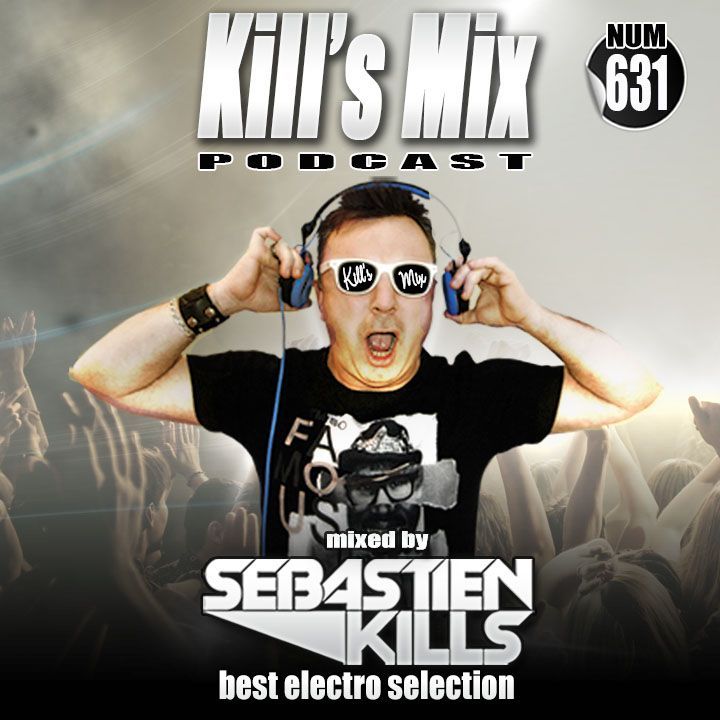
Here's what's on the schedule for the 631st episode of Kills Mix this weekend (Friday and Saturday starting at 10 p.m.):
Coming up on Electro Évasion, the FTMS Production playlist, this weekend (Friday at 6 p.m. and Sunday at 9 p.m.): Deep Forest, Dom The Bear, Aaron Marshall, Astrovoyager With Taiga, Cross Angel, David Helpling, Delphine Cerisier, Electron7, Eric Aron, Eric Besse, Lionel Palierne, Richard Anthony Bean, Toxygenedk…
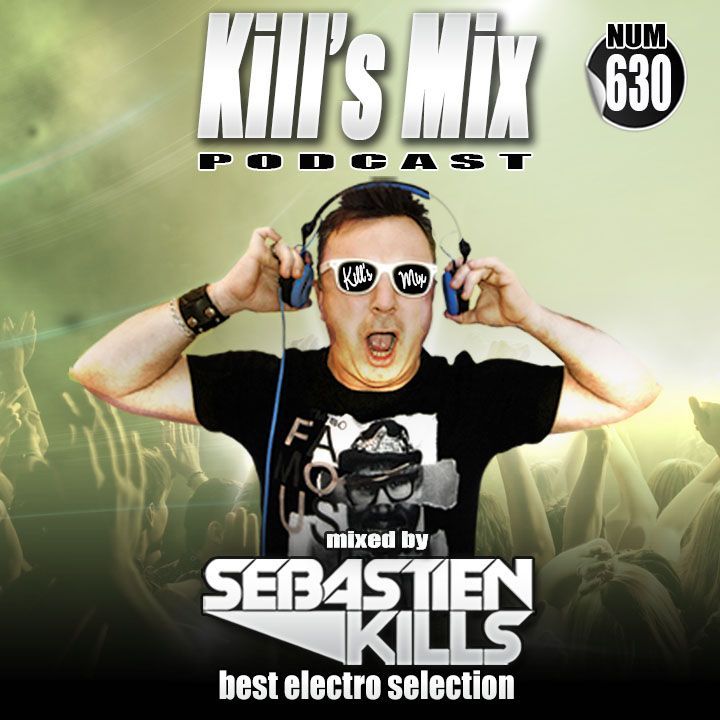
Here's what's on the schedule for the 630th episode of Kills Mix this weekend (Friday and Saturday starting at 10 p.m.):
Coming up on “Electro Évasion,” the FTMS Production playlist, this weekend (Friday at 6 p.m. and Sunday at 9 p.m.): Stany Balland, Alpha Lyra, Deep Forest, Dom The Bear, Eikyo, Eric Bettens, Francis Rimbert, Ludovic Foustoul, Manu Quenneville, Olivier Rongione, Richard Anthony Bean, Stephane Helie, Vintage Modulator Project, Zann…
Here's what's on the schedule for the 629th episode of Kills Mix this weekend (Friday and Saturday starting at 10 p.m.):
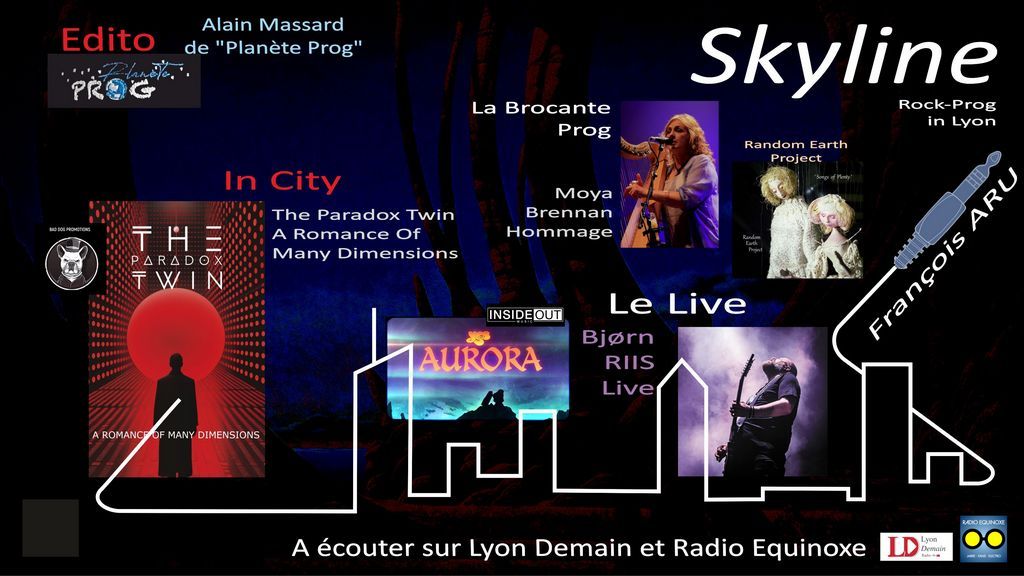
Premieres Saturday, April 18, at 3:00 p.m. “Skyline Rock Prog in Lyon,” the show hosted by François Aru, airs every Saturday starting at 3:00 p.m. It is rebroadcast every Sunday starting at 11:00 p.m. and is available at any time to members of the Radio Equinoxe association. Highlights of this April episode: La Bocante Read more…
Coming up on Electro Évasion, the FTMS Production playlist, this weekend (Friday at 6 p.m. and Sunday at 9 p.m.): Deep Forest, Analog_80, Anckorage, Marc Naveau, Dom The Bear, Laurent Chanal, Laurent Drugmand feat. Stephan Wauty, Operation Of The Sun featuring Greta Gratos, Richard Anthony Bean, Sandra Baudin & Francis Rimbert, Electron7, Toxygenedk, Read more …
Here's what's on the schedule for the 628th episode of Kills Mix this weekend (Friday and Saturday starting at 10 p.m.):
Coming up on Electro Évasion, the FTMS Production playlist, this weekend (Friday at 6 p.m. and Sunday at 9 p.m.): Analog 80, Astrovoyager, Deep Forest, Electra-Rkt, Eric Aron, Francis Rimbert, Laurent Drugmand & Mahir, Moonsatellite, Narva9, Philippe Bonnaire, Satya, Space. The playlist will also include a tribute to Electra-Rkt, who passed away this week after a long illness. Read more…
Here's what's on the schedule for the 627th episode of Kills Mix this weekend (Friday and Saturday starting at 10 p.m.):
This weekend’s lineup for “Electro Évasion,” the FTMS Production playlist (Friday at 6 p.m. and Sunday at 9 p.m.): Deeper Nine, Analog_80, Emmanuel Abat, David Helpling & Jon Jenkins, Deep Forest, Delphine Cerisier, Eric Bettens, Francis Rimbert, Frank Ayers, Michael Rother, Michael Sean O’Connor, Moonsatellite, Olyam…
Here's what's on the schedule for the 626th episode of Kills Mix this weekend (Friday and Saturday starting at 10 p.m.):
Coming up on Electro Évasion, the FTMS Production playlist, this weekend (Friday at 6 p.m. and Sunday at 9 p.m.): Deep Forest, Eric Bettens, Electron7, Dom The Bear, Emmanuel Quenneville, Eric Besse, Eric Oldvanjar, Francis Rimbert, Frank Ayers, Michael Sean O’Connor, Richard Anthony Bean, Stany Balland, Toxygenedk…
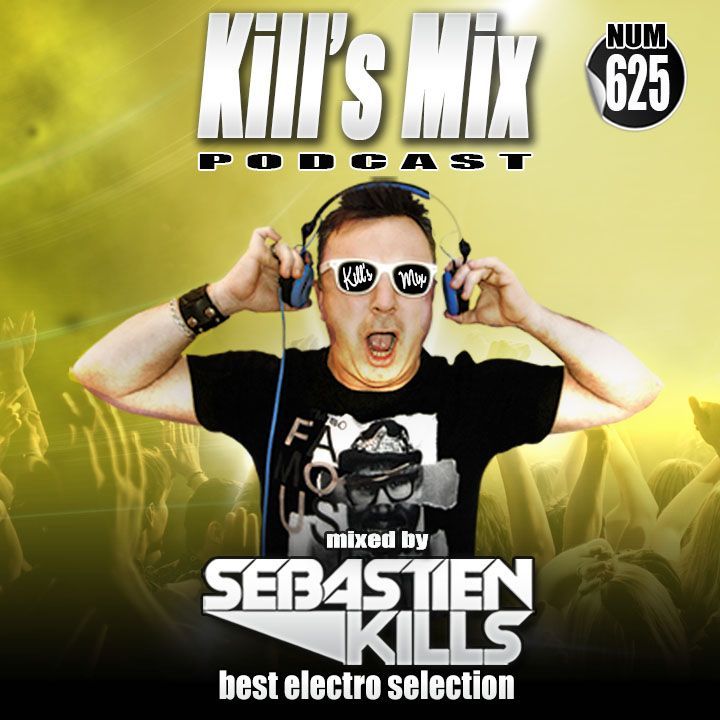
Here's what's on the schedule for the 625th episode of Kills Mix this weekend (Friday and Saturday starting at 10 p.m.):
First broadcast on Saturday, March 21, at 3 p.m. Skyline Rock Prog in Lyon, the show hosted by François Aru, airs every Saturday starting at 3 p.m. It is rebroadcast every Sunday starting at 11 p.m. and is available at any time to members of the Radio Equinoxe association. Highlights of this episode at the equinox: Read more…
This weekend’s lineup for “Electro Évasion,” the FTMS Production playlist (Friday at 6 p.m. and Sunday at 9 p.m.), features: Dom The Bear, Emmanuel Abat, Wells, Electron7, Deep Forest, Flood Veyor, Francis Rimbert, Hélène Vogelsinger, Laurent Drugmand feat. Stephan Wauty, Olyam, Richard Djian, Time Composer, Toxygenedk…
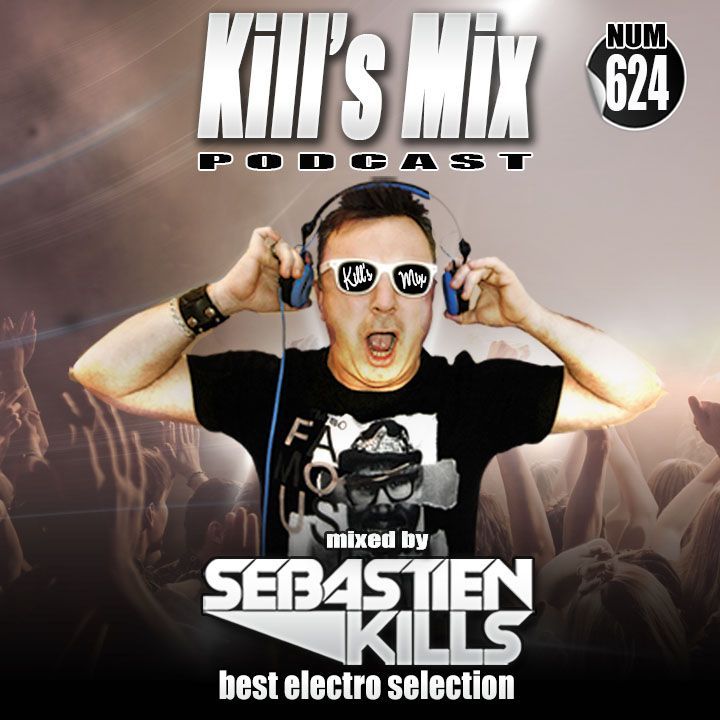
Here's what's on the schedule for the 624th episode of Kills Mix this weekend (Friday and Saturday starting at 10 p.m.):
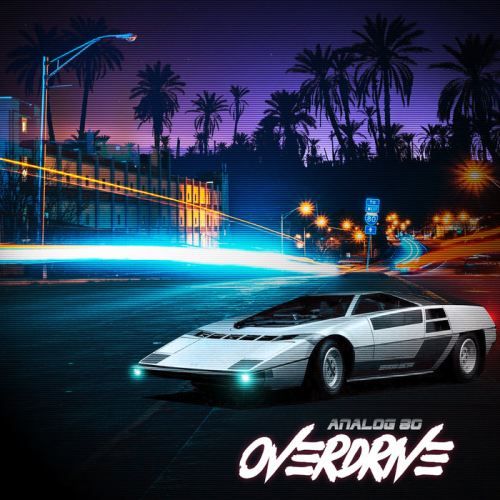
Coming up on Electro Évasion, the FTMS Production playlist, this weekend (Friday at 6 p.m. and Sunday at 9 p.m.): Deep Forest, Analog 80, David Helpling & Jon Jenkins, Elektra-Rtk, Emmanuel Quenneville, Eric Bettens, Francis Rimbert, Kurtz Mindfields, Laurent Drugmand, Michael Sean O’Connor, Moonsatellite, Richard Anthony Bean, Toxygenedk…
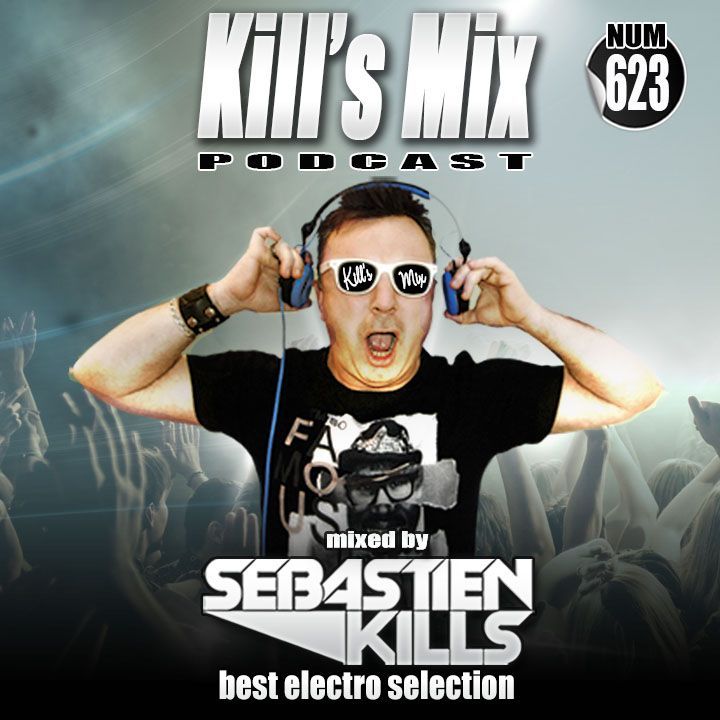
Here's what's on the schedule for the 623rd episode of Kills Mix this weekend (Friday and Saturday starting at 10 p.m.):
Coming up on Electro Évasion, the FTMS Production playlist, this weekend (Friday at 6 p.m. and Sunday at 9 p.m.): Deep Forest, Delphine Cerisier, E.s. Posthumus, Emmanuel Abat, Eric Oldvanjar, Francis Rimbert, Frank Ayers, Hugo De Montfort, Jean-Jacques Vitel, K’sandra, Laurent Drugmand, Richard Anthony Bean, Toxygenedk….
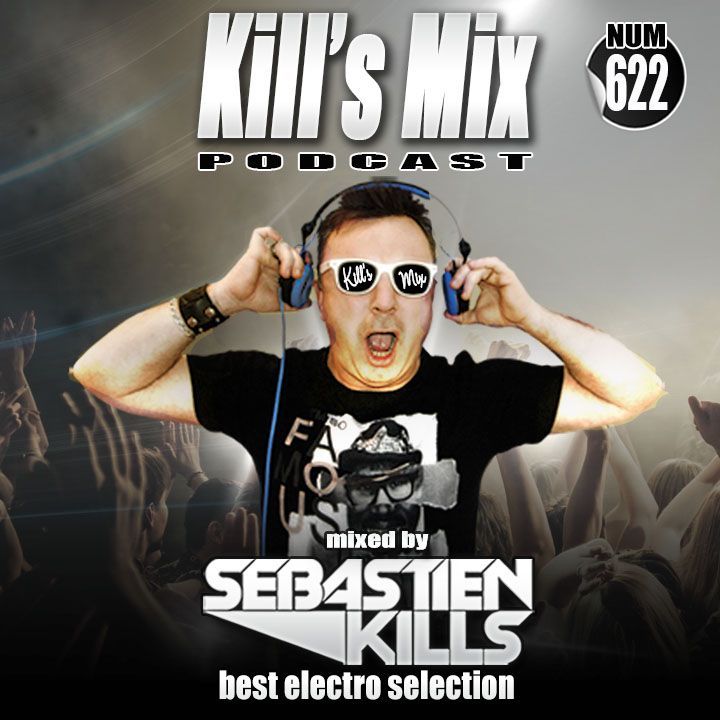
Here's what's on the schedule for the 622nd episode of Kills Mix this weekend (Friday and Saturday starting at 10 p.m.):
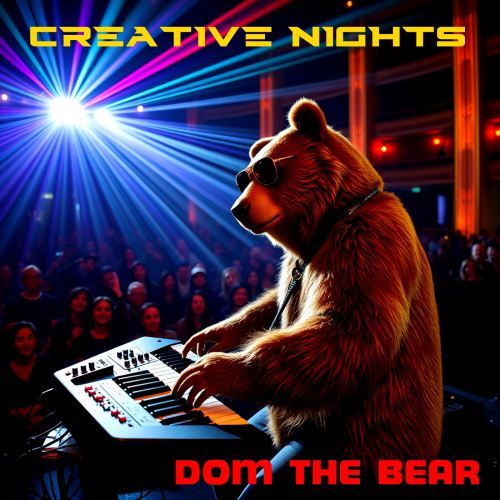
Coming up on Electro Évasion, the FTMS Production playlist, this weekend (Friday at 6 p.m. and Sunday at 9 p.m.): Deep Forest, Dom The Bear, Stanny Balland, David Helpling & Jon Jenkins, Electron7, Eric Bettens, Francis Rimbert, Franck Goupil, Hélène Vogelsinger, Jean-Philippe Ghedjati, Michael Sean O’Connor, Richard Anthony Bean, Toxygenedk…
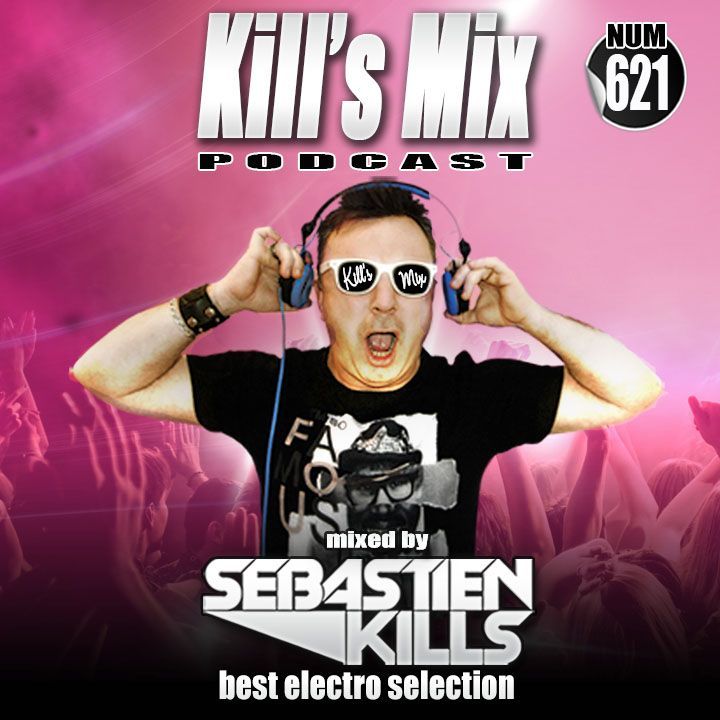
Here's what's on the schedule for the 621st episode of Kills Mix this weekend (Friday and Saturday starting at 10 p.m.):
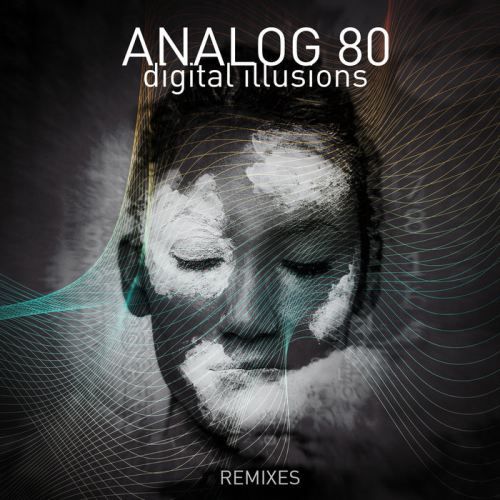
Coming up on Electro Évasion, the FTMS Production playlist, this weekend (Friday at 6 p.m. and Sunday at 9 p.m.): Emmanuel Abat, Stany Balland, Analog 80, Astrovoyager With Taiga, Deep Forest, Cenesthesia, David Helpling, Eric Besse, Eriops Tie, Francis Rimbert, Hugo De Montfort, Johannes Roussel, Moonsatellite…
Here's what's on the schedule for the 620th episode of Kills Mix this weekend (Friday and Saturday starting at 10 p.m.):
First broadcast on Saturday, February 14, at 3 p.m. Skyline Rock Prog in Lyon, the show hosted by François Aru, airs every Saturday starting at 3 p.m. It is rebroadcast every Sunday starting at 11 p.m. and is available at any time to members of the Radio Equinoxe association. Highlights from this second month: Read more…
Coming up on Electro Évasion, the FTMS Production playlist, this weekend (Friday at 6 p.m. and Sunday at 9 p.m.): Stany Balland, Analog 80, Astrovoyager, Deep Forest, Darrell Farnsworth, Dom The Bear, Electron7, Francis Rimbert, Kurt Ader, Mind-Flux, Moonsatellite, Richard Anthony Bean, Uman…
Here's what's on the schedule for the 619th episode of Kills Mix this weekend (Friday and Saturday starting at 10 p.m.):
Coming up on Electro Évasion, the FTMS Production playlist, this weekend (Friday at 6 p.m. and Sunday at 9 p.m.): Eric Bettens, Emmanuel Abat, Bastien Lartigue, Deep Forest, Cédric Leroy, Delphine Cerisier, Dom The Bear, Eric Besse, Eriops Tie, Francis Rimbert, Hélène Vogelsinger, Moonsatellite, Richard Anthony Bean…
Here's what's on the schedule for the 618th episode of Kills Mix this weekend (Friday and Saturday starting at 10 p.m.):
Coming up on Electro Évasion, the FTMS Production playlist, this weekend (Friday at 6 p.m. and Sunday at 9 p.m.): Emmanuel Abat, Stany Balland, Laurent Drugmand, Dom The Bear, Pierre-Nicolas Nowak, Deep Forest, Delphine Cerisier, Operation Of The Sun featuring Greta Gratos, Francis Rimbert, Electron7, Terra Pi, Vincent Oleg, Vintage Modulator Project…
Here's what's on the schedule for the 617th episode of Kills Mix this weekend (Friday and Saturday starting at 10 p.m.):
Coming up on Electro Évasion, the FTMS Production playlist, this weekend (Friday at 6 p.m. and Sunday at 9 p.m.): Dom The Bear, Emmanuel Abat, Alexandre Dominois, Analog 80, Deep Forest, Vansound, Florent Ainardi, Francis Rimbert, Hugo De Montfort, Electron7, Moonsatellite, Olivier Briand, Philippe Bonnaire…
Here's what's on the schedule for the 616th episode of Kills Mix this weekend (Friday and Saturday starting at 10 p.m.):
Premieres Saturday, January 17, at 3 p.m. “Skyline Rock Prog in Lyon,” the show hosted by François Aru, airs every Saturday starting at 3 p.m. It is rebroadcast every Sunday starting at 11:00 p.m. and is available at any time to members of the Radio Equinoxe association. 2026 will take us back to the Moon. Read more…
Coming up on Electro Évasion, the FTMS Production playlist, this weekend (Friday at 6 p.m. and Sunday at 9 p.m.): Stany Balland, Eric Bettens, Dom The Bear, Analog 80, Deep Forest, E.s. Posthumus, Electron7, Eric Aron, Francis Rimbert, Michael Sean O’Connor, Richard Anthony Bean, Richard Djian, Stéphane Picq…
Here's what's on the schedule for the 615th episode of Kills Mix this weekend (Friday and Saturday starting at 10 p.m.):
Coming up on Electro Évasion, the FTMS Production playlist, this weekend (Friday at 6 p.m. and Sunday at 9 p.m.): Deep Forest, Zanov, Analog_80, Fabrice Fuzillier, David Helpling, Francis Rimbert, Hélène Vogelsinger, Kurtz Mindfields, Laurent Drugmand, Michael Ecalle, Richard Anthony Bean, Olivier Rongione, Stephane Helie, Octoginta…
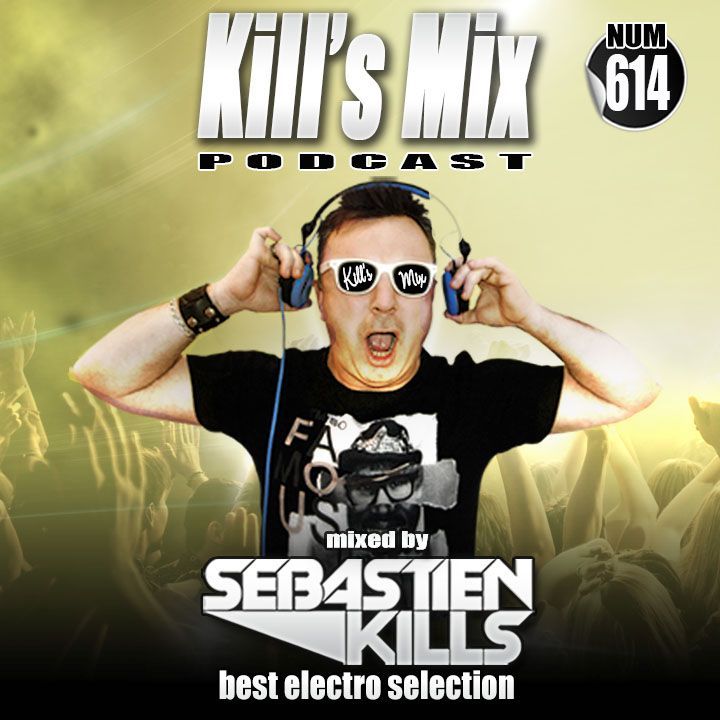
Here's what's on the schedule for the 614th episode of Kills Mix this weekend (Friday and Saturday starting at 10 p.m.):
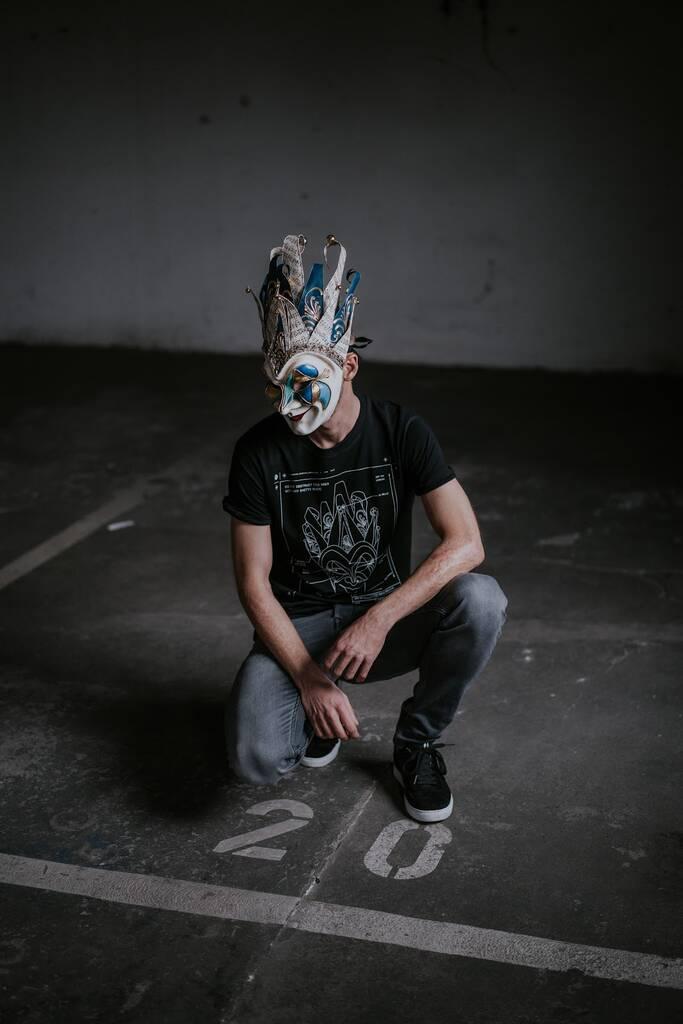
Boris Brejcha has announced that his career as "The Joker" will end in 2028. he explains why he is choosing to close this chapter.
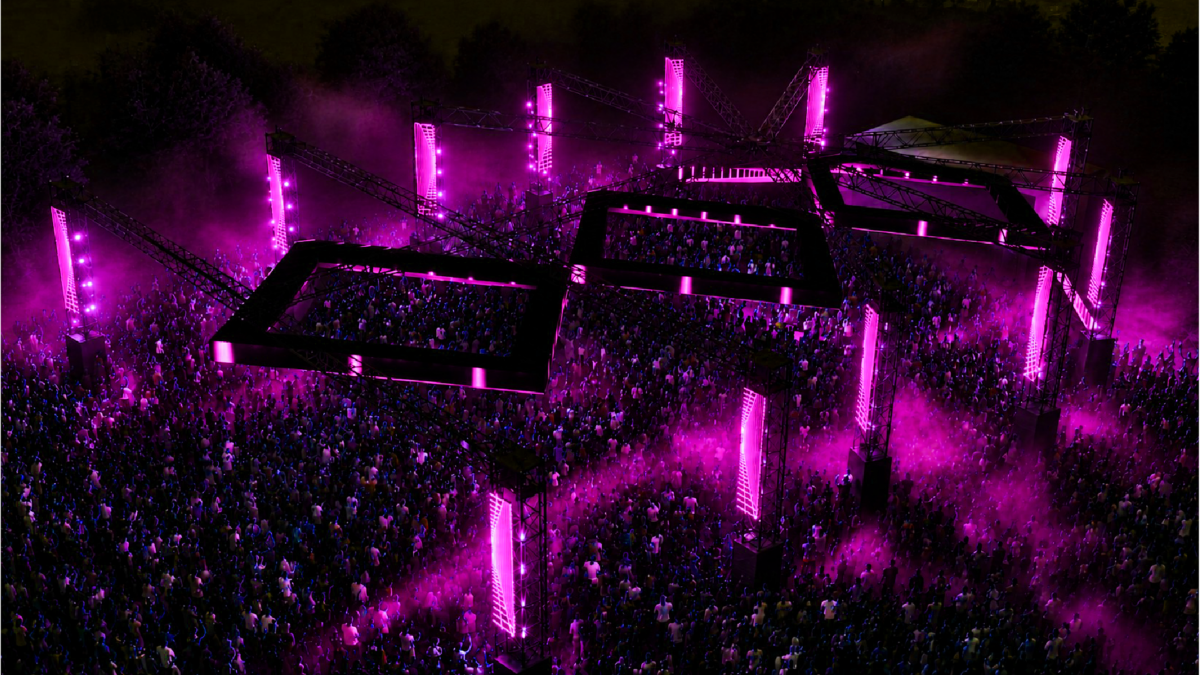
Creamfields has unveiled Runway 2.0, a brand-new stage concept combining the iconic Runway structure with HALO’s immersive 360-degree visuals ahead of the festival’s 30th anniversary in 2027.Creamfields are looking to the future while honouring their history as their new stage sees the return
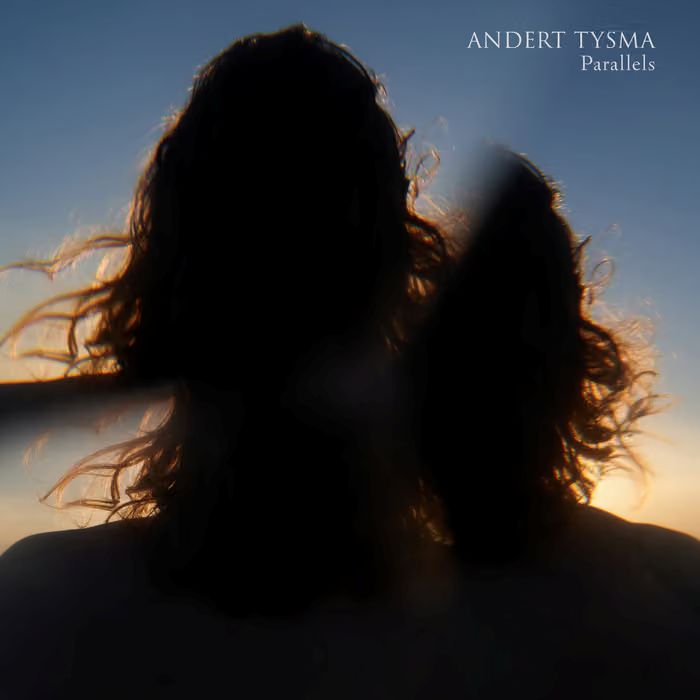
Dutch composer/ producer Andert Tysma’s uniquely crafted blend of post-classical, electro-acoustic and electronic music has always seemed fascinated with how and who we are. His soundscapes come peopled with stories…
London’s beloved independent electronic music festival GALA returns to Peckham Rye Park for its eleventh edition across the May Bank Holiday weekend, 28–30 May 2027, revealing the first wave of artists and stage partners set to shape three days of music and connection. Leading the announcement is Four Tet, one of electronic music’s most celebrated […]
For Rome-based producer Nineteen Sixty-Two, dancefloor joy starts with melody. Drawing on rock, blues and ’90s melodic trance, he records keyboard improvisations in MIDI, then develops each track around that initial emotional connection. Lovable carefree movement. It’s part of an upcoming album that covers the full spectrum, from trance and tech-houseto more introspective tracks. Having entered electronic music at 62, he values the freedom to create without chasing algorithms or commercial trends. In this FM PRO Quickfire 5, he discusses finding inspiration beyond his genre, keeping spontaneity alive in the studio and why an album needs to tell a story.
There are few acts more intrinsically woven into the fabric of British dance music than Utah Saints. From the euphoric explosion of rave culture through to today's festival stages, the Leeds electronic pioneers have remained guided by a simple philosophy: let the music do the talking. Ahead of their
Paste Magazine is your source for the best music, movies, TV, comedy, videogames, books, comics, craft beer, politics and more. Discover your favorite albums and films.
A fan helped spur the new partnership.
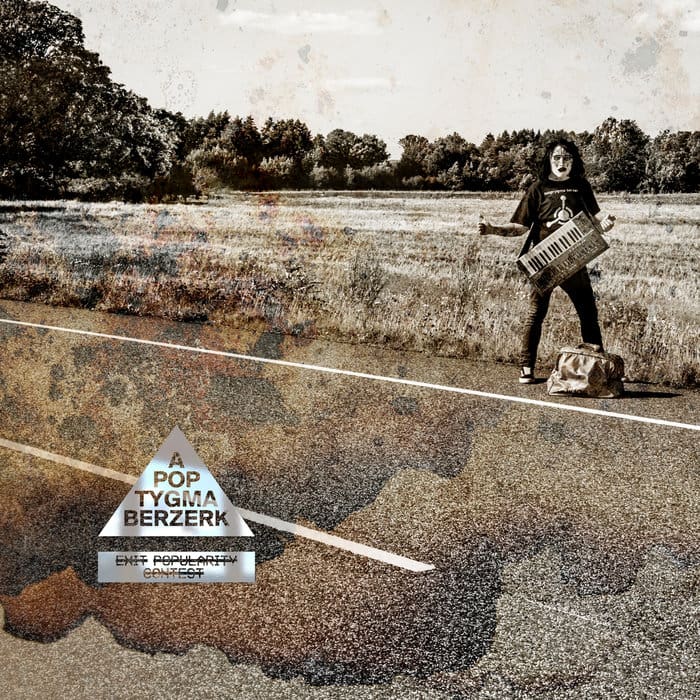
Britta Pirkko reviews Apoptygma Berzerk's "Exit Popularity Contest," out digitally October 27, 2026, a decade after its original vinyl-only release.
These are some of the most musical cities found around the world.
Jaden Bojsen shifts gears from dark, late-night tech-house to bright 90s vocal house on his new single "Mama Used To Say." Driven by warm organ chords and choir vocals, it marks a sharp contrast to his recent release on Insomniac Records. Do you prefer Bojsen’s minimal tech-house style or his classic piano house sound? #JadenBojsen #HouseMusic #NewMusic
The best synthwave has a peculiar talent for making you nostalgic for a future that never actually happened. Russian electronic trio 3FORCE understand that feeling particularly well, and their new album ‘Strange Peace’ arrives with enough retro synthesizers, driving rhythms and science-fiction atmosphere to soundtrack an entire city after dark. Released through FiXT on October […]
SPAG (formerly Spag Heddy) releases 'Show Me Something,' a bouncy bass track launching chapter two of his ongoing artistic rebrand.
We caught up with Chasing Kurt to revisit the project's beginnings, discuss the new creative partnership, explore his relationship with
Daft Punk spent years making people wonder what was happening underneath their helmets. Now fans will get the chance to build the helmets, the robots and one of electronic music’s most famous stages themselves. The French electronic duo have announced a partnership with the LEGO Group that will bring their unmistakable visual universe into the […]
CHVRCHES have a remarkable talent for making emotional turmoil sound like the greatest night of your life, and their full performance at Corona Capital Guadalajara on May 21, 2022, captures that contradiction beautifully. The Scottish synth-pop trio’s festival set is available to watch online, offering more than 70 minutes of towering electronic melodies, urgent rhythms […]
The Brazilian bassist explores unexpected song choices through raw live performances…
Explore the collaboration of Charlotte de Witte and AI vocalist NAVA in her new track, raising cultural questions in techno.
Insomniac and Amsterdam Dance Event (ADE) have announced Map Point Summit, a new conference focused on electronic music and rave culture. The inaugural event will take place in May 2027 at Virgin Hotels Las Vegas.
2hollis is taking his music into much bigger rooms. The Los Angeles singer, songwriter and producer has announced his largest headline tour to date, a 2027 run across North America, the UK and Europe supporting his forthcoming album ‘Pirouette’, due November 11. The itinerary includes the Kia Forum in Los Angeles, Coca-Cola Coliseum in Toronto […]
Nelly Furtado spent 2006 making the whole world dance, even when she was singing about saying goodbye. Now, 20 years later, producer and DJ Ian Asher has decided that one of her most bittersweet songs deserves another night out. His new remix of “All Good Things (Come To An End)” is available now, transforming the […]
With two weeks left before we reunite in Orlando for EDC, we celebrate the return of our favorite hidden gem: Casa BACARDÍ.
San Diego's ISOxo and Knock2 return home for an incredible second edition of their own festival, Niteharts.
Ian Asher remixes the single Grammy Award-winning, multi-platinum singer, songwriter, and producer Nelly Furtado’s “All Good Things (Come To An End)” takes on fresh club energy with a new remix from producer and DJ Ian Asher, available across streaming platforms now. On his remix, Asher pushes up the tempo with speed house production and fluttering […]
Dropping weekly on Fridays, ‘On-Deck Circle’ is EDM.com’s weekly roundup of 9 brand-new tracks from the scene’s biggest DJs and producers.
"Awareness of the importance of mental balance and health is at least as important as physical health," Afrojack said.
Apple Music recruited Fred again.. and NEST Acoustics to create designs inspired by real soundwaves from the artist.
When Maria May won the IMS Legends Award in 2025, it shouldn’t have come as a surprise. The Music Agent and Head Of Electronic, International at CAA is one of
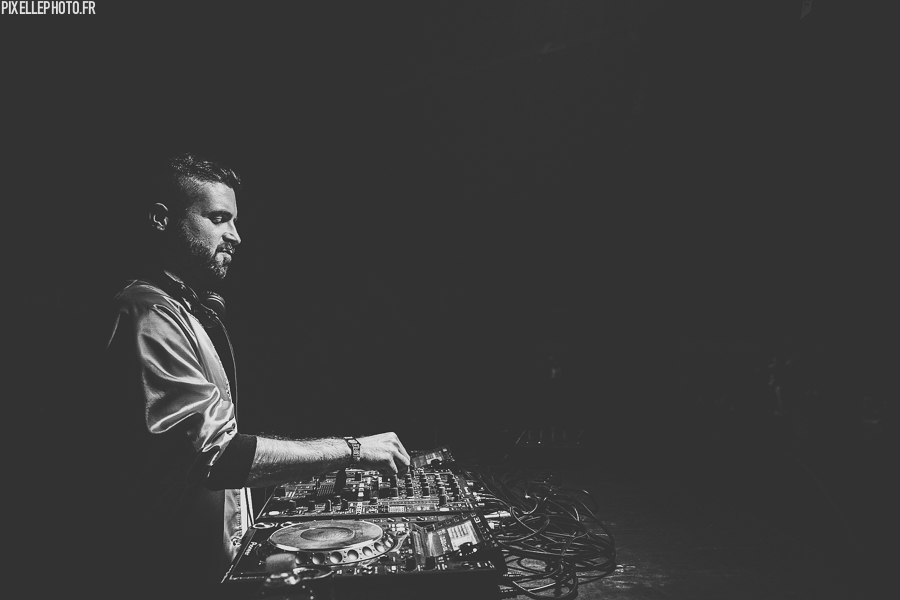
Costello is a Bordeaux-based producer and DJ who has been active since the late 2000s. Initially associated with aesthetics somewhere between house and techno, he has gradually broadened his music toward more melodic, atmospheric and hybrid forms, without abandoning his physical relationship with the club.
The expanded edition features fresh remixes from Justin Martin, Kevin Saunderson and more.
Electronic pioneers Kraftwerk has announced two giant summer shows in the UK in 2027, taking place right before Glastonbury Festival kicks off.
Ian Asher reimagines Nelly Furtado’s “All Good Things (Come to an End)” with a fresh dance-driven and electronic sound.
Alok debuts on superstar John Summit's Experts Only label with DJ Glen and ICARUZ on 'Weekend Warriors,' out October 23.
Mahmut Orhan releases his 19-track third album '3' on Ultra Records, featuring ZHU, Shimza, Francis Mercier and more.
Electronic music producer Alberto Sola is releasing a dynamic new two-track EP on the rising underground label
A father-and-son Lego creation inspired by Daft Punk’s legendary 2007 tour is becoming an official set, with more surprises planned for 2027.
Montreal has perfected a peculiar winter tradition: convincing nearly 100,000 people that the best way to survive January is to stand outside in freezing temperatures and dance until they forget about their fingers. Igloofest returns to the city’s Old Port from January 14 to February 6, 2027, with its 19th edition bringing Deadmau5, Kaytranada, Fatboy […]
Deadlynoiz, FriendlyFire and DZ unite on Deadly Fire, bringing their first original collaboration into tearout dubstep after previous remix work between the artistsDeadlynoiz, FriendlyFire and DZ have joined forces on Deadly Fire, their first original track together and their first joint pro
New EDM Friday Oct 23 brings new music from Armin van Buuren, Omiki, BUNT., Kiko, Olivier Giacomotto, Sami Brielle, Sammy Virji, Timmy Trumpet, and more.New EDM Friday Oct 23 brings together new singles, collaborations, remixes, and album releases covering trance, house, techno, UK garage, and ele
From AI and artists’ rights to queer nightlife and emerging live talent, Berlin’s Most Wanted: Music is asking what needs to change, and who gets to make it happen.
Memphis LK Sat 11/4 at Schubas
Mathame debut their new label NEO Records with single 'Oh Baby,' expanding the Italian duo's EmoTech universe into a standalone imprint.
Apple Music selected Fred again.. to help shape the new audiovisual language as part of the service's latest rebrand.
Insomniac and Amsterdam Dance Event are launching Map Point Summit, a new three-day conference for rave culture debuting in Las Vegas in May 2027.
With dancefloors and conference stages alike still bustling at the Amsterdam Dance Event (ADE), its organisers have teamed up with VibeLab for a new Nighttime Culture Index tracking nightlife in six cities.
Get ready to lose yourselves to the fun on offer from Lego and Daft Punk, because these two absolute legends of modern culture are officially joining forces. The Lego Group and the iconic electronic m...
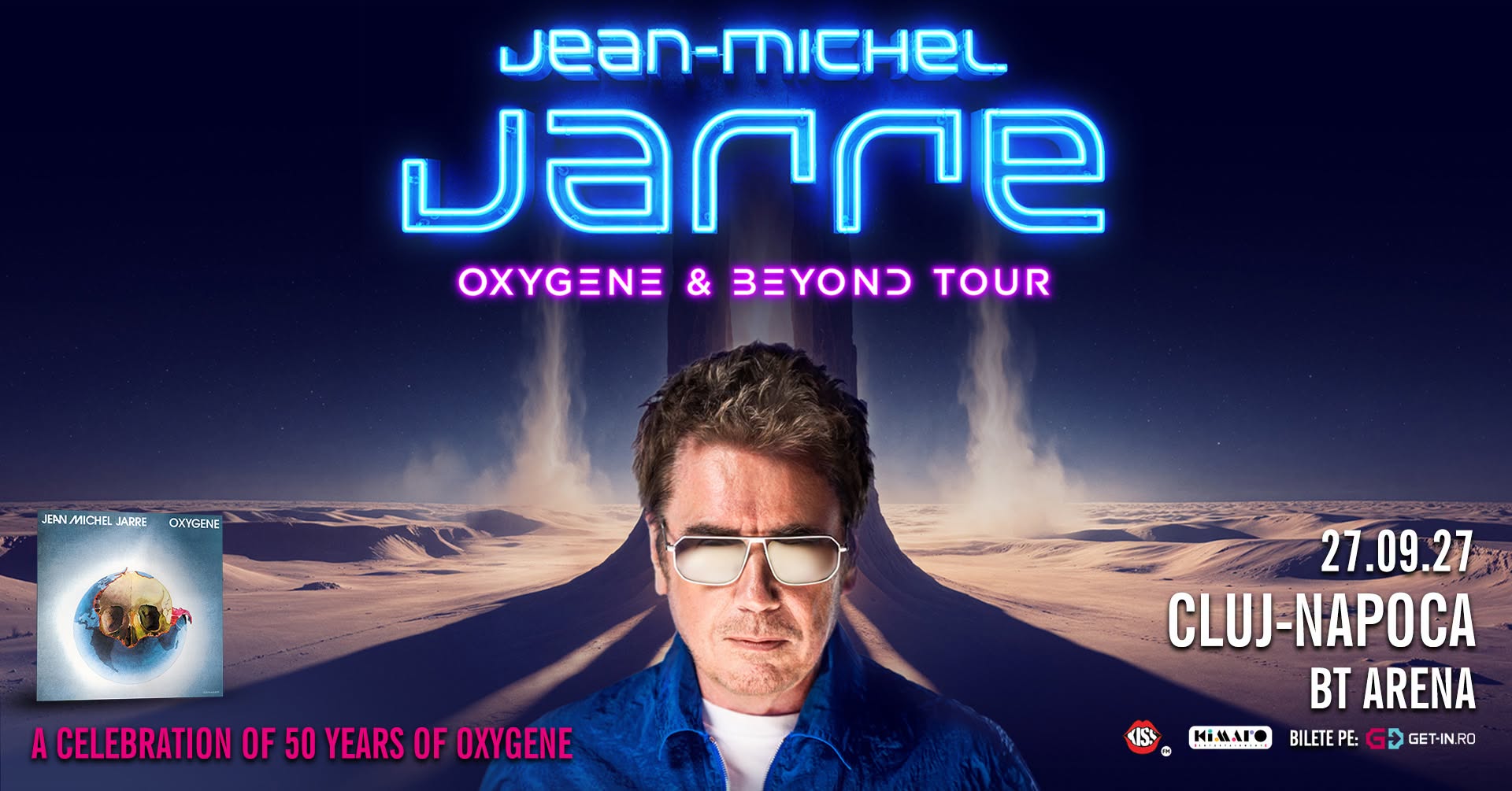
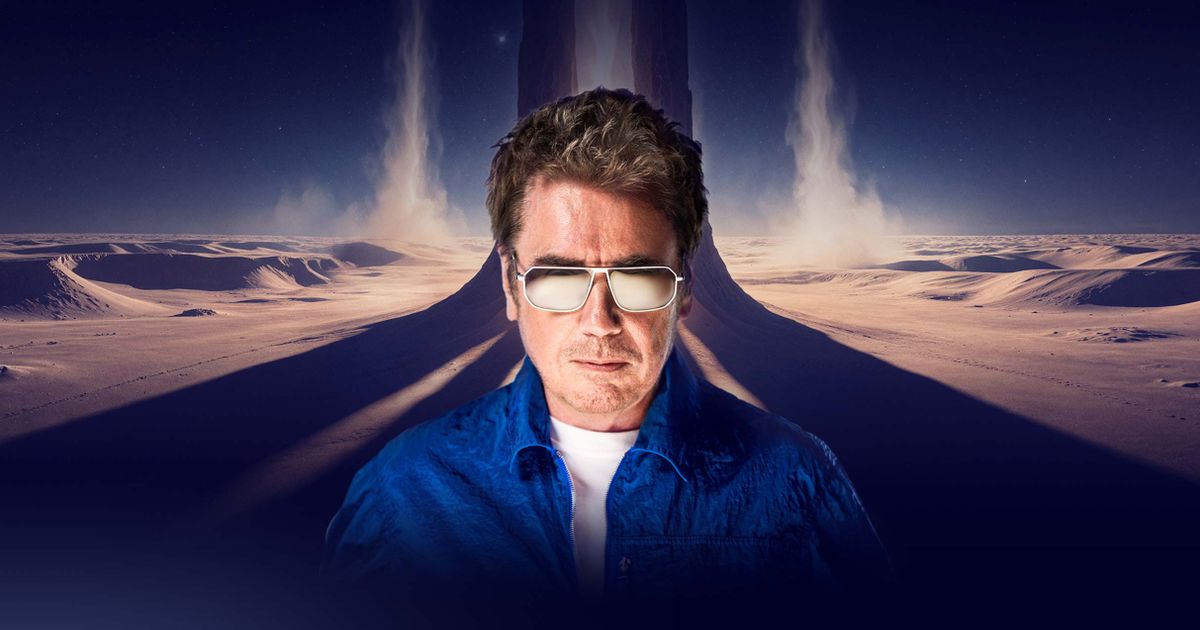
The French electronic music artist will bring his Oxygène anniversary tour to BT Arena on September 27.
Mathame launch NEO Records with the release of their new single "Oh Baby." They expand their EmoTech universe into a new label.
The Association for Electronic Music has formalised advice for EDM promoters amid "growing market consolidation and shrinking funding"
French electronica legend reveals 'first wave' of dates celebrating 50 years of his pioneering Oxygene album
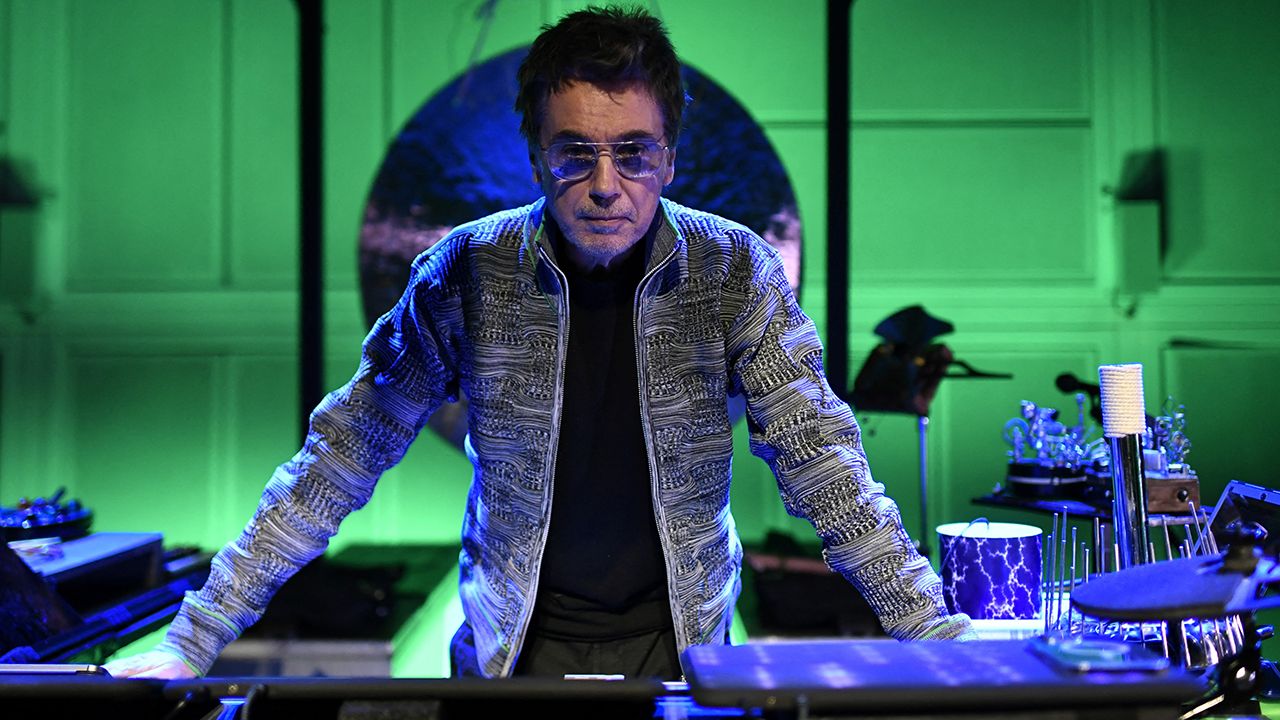
After a ten-year hiatus, Jean-Michel Jarre makes a triumphant return to France and announces three Paris shows scheduled at the Seine Musicale on Thursday the 14th, Friday the 15th, and Saturday the 16th of October 2027. What's on the menu? An immersive concert conceived to celebrate the 50th anniversary of his iconic album "Oxygene."
Jean-Michel Jarre brings his legendary electronic music and spectacular audiovisual show to Prague in October 2027, combining classics with new music.
On September 22, 2027, Jean-Michel Jarre will perform at Atlas Arena in Łódź. The concert will be part of the international “OXYGENE & BEYOND” tour,...
JEAN-MICHEL JARRE ANNOUNCES THE “OXYGENE & BEYOND” 2027 TOUR—THE LATEST CONCERT PRODUCTION MARKING THE 50TH ANNIVERSARY OF THE ALBUM “OXYGENE” AND KICKING OFF A NEW CHAPTER IN HIS MUSICAL CAREER Photo:...
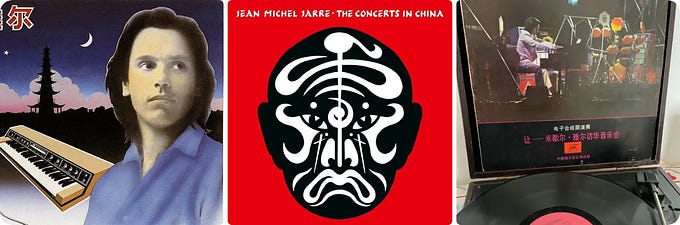
45 years ago today, Jean-Michel Jarre performed in Beijing for the first of his Concerts en Chine. His shows in China (he played in both Beijing and Shanghai) took place four years before the famous arrival of Wham! in the country. Highlights from the performances were turned into the Les Concerts en Chine album for international audiences; China Record Company released its own album based on the shows in 1983. Jarre’s music video for ‘Souvenir de Chine’ features footage from his 1981 tour there: https://www.youtube.com/watch?v=BY_ozF-4IAU&list=RDBY_ozF-4IAU&start_radio=1
The pre-order window for the Jean-Michel Jarre Oxygène SDE exclusive blu-ray closes tomorrow at Noon (BST). This iconic 1976 album has been mixed in Dolby Atmos and 5.1 Surround by…
AI in the Creative Process: A Divide Among Musicians Many musicians see AI as the worst thing that could have happened to their craft. But step outside the music scene, and you’ll notice this fear and distrust echo throughout all creative fields — not only among artists but writers, filmmakers,...
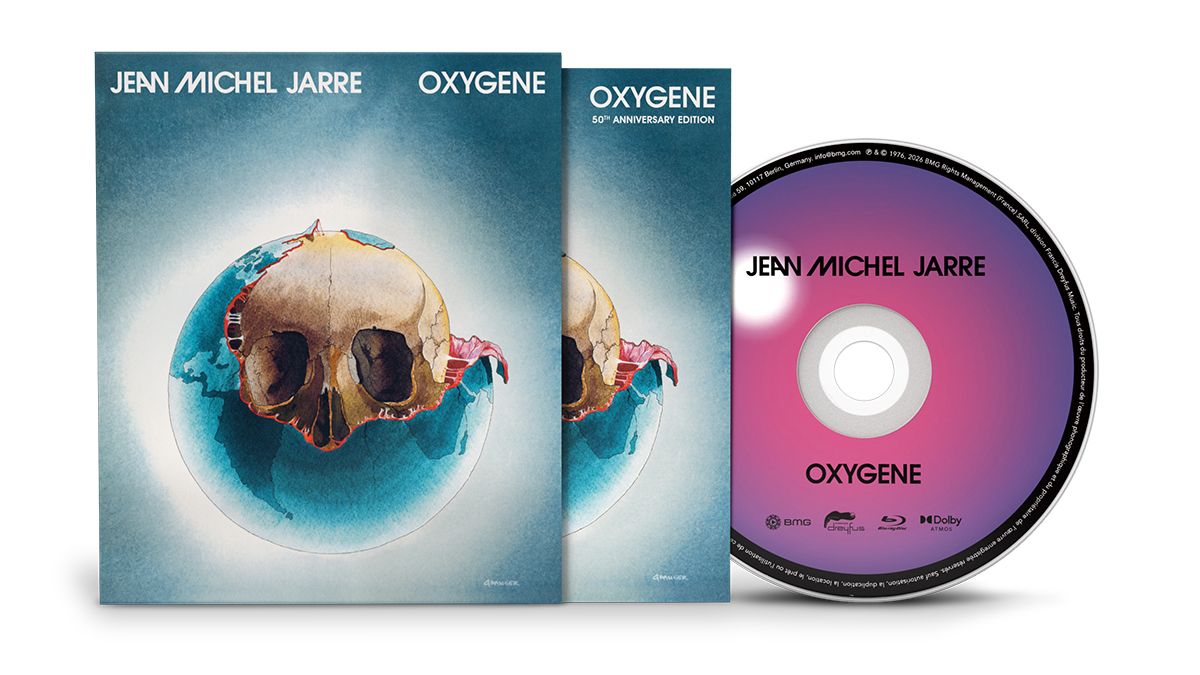
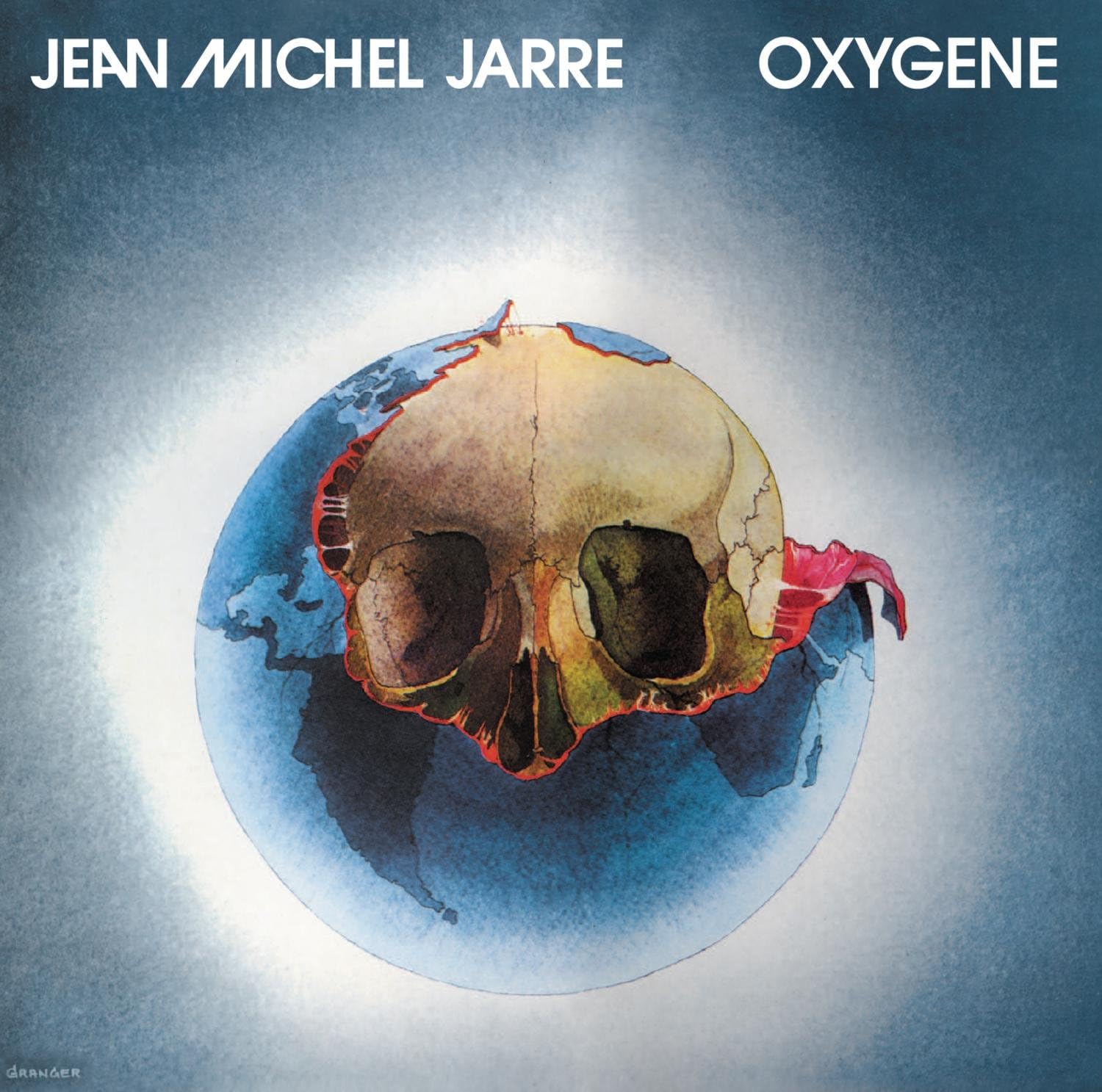
Jean-Michel Jarre has announced a special 50th anniversary edition of his landmark album OXYGENE, to be released on November 20, 2026 via BMG. Originally released in France in 1976 before its international release in 1977, OXYGENE helped bring electronic music to a global audience and established Jarre as one of the defining figures of the […]
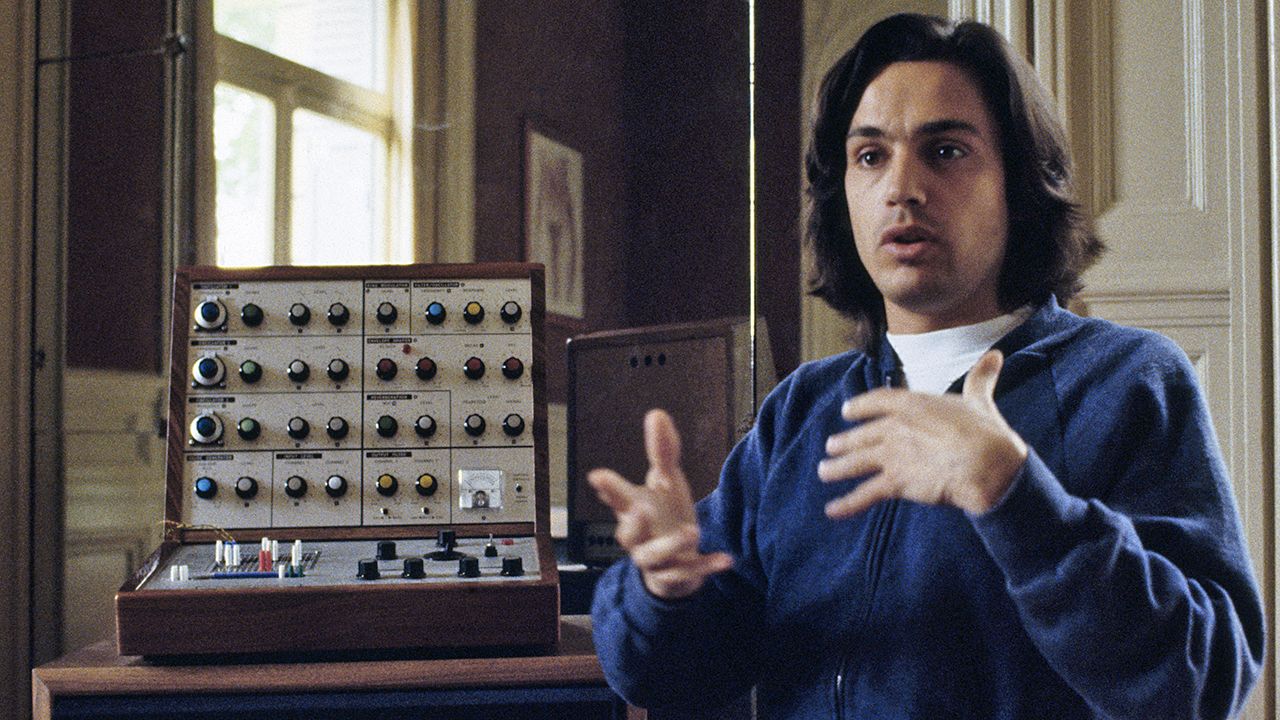
Radio boffins and their audio gadgets were the influence behind his experimental debut concept album, which changed the musical landscape in 1976
Jean-Michel Jarre's 1976 album, Oxygene, has been remastered for Dolby Atmos immersive spatial audio sound systems.
Jean-Michel Jarre marks 50 years of OXYGENE with a remastered anniversary edition featuring Dolby Atmos, vinyl, CD and Blu-ray, out November 20.
“The sound had a particular depth, movement and life of its own,” says Jarre. “We returned to the original tapes with the aim of preserving that character rather than changing it”
Jean-Michel Jarre remastered release from the original tapes
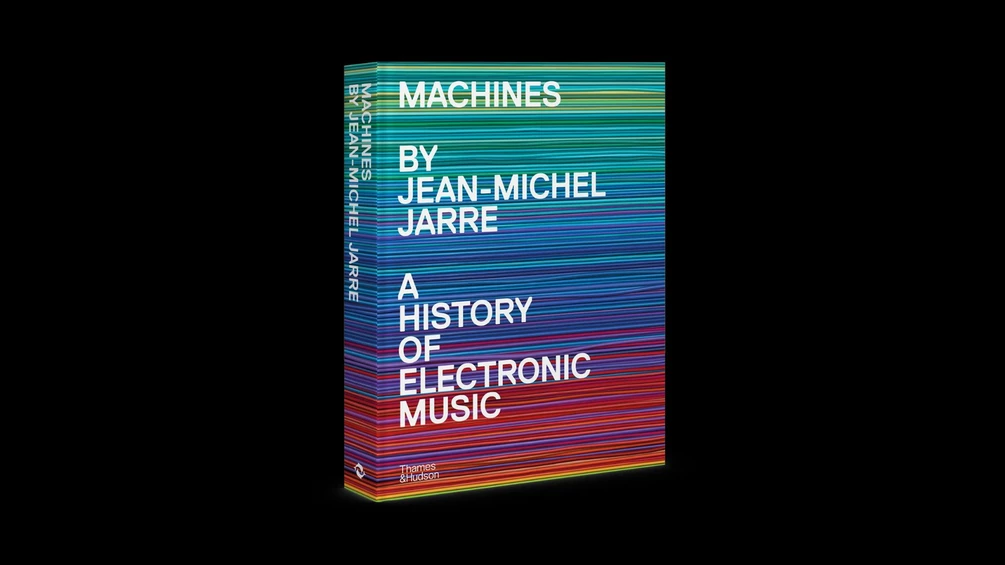
French electronic music pioneer Jean-Michel Jarre will also publish Machines: A History Of Electronic Music in November
Jean-Michel Jarre marks 50 years of 'Oxygene' with a new remaster from the original tapes and a first-ever Dolby Atmos mix.
Jean-Michel Jarre made ‘OXYGENE’ in the former kitchen of his Paris apartment with an eight-track tape machine, a homemade mixing desk and a small collection of electronic instruments. Fifty years later, he has gone back to those original tapes. A 50th anniversary edition of ‘OXYGENE’ arrives November 20, featuring a new 2026 remaster of the […]
Jean-Michel Jarre announced a 50th anniversary edition of his landmark album OXYGENE, featuring a new 2026 remaster from original tapes and the album…
Amsterdam Dance Event completes its 30 YEARS ADE program with 3,600+ artists, Martin Garrix, Jean-Michel Jarre and more.
Quick blu-ray pre-order • Atmos by David Kosten, Steven Wilson & Jean-Michel • 192/24 Unlimited stereo remaster by Miles Showell • CD and vinyl options To celebrate the 50th anniversary of Jean-Michel Jarre's groundbreaking…
The legendary electronic album 'Oxygène' celebrates five decades with a new remastered anniversary edition and a series of high-profile projects and events.
Jean-Michel Jarre today announces OXYGENE & BEYOND, a major international tour commencing in Europe in autumn 2027 celebrating 50 years of Oxygene and music from his forthcoming new album to be releas…
Jean-Michel Jarre Live in Sevilla: A 2025 concert in the Plaza de España. Jean-Michel Jarre Live in Sevilla airs on Sky Arts HD at 11:20 PM, Monday 28 September. A 2025 concert in the Plaza de España
On 21 October, Jarre headlines the ADE opening concert at AFAS Live. Two anniversaries, one show, and an artist who predates both by decades.
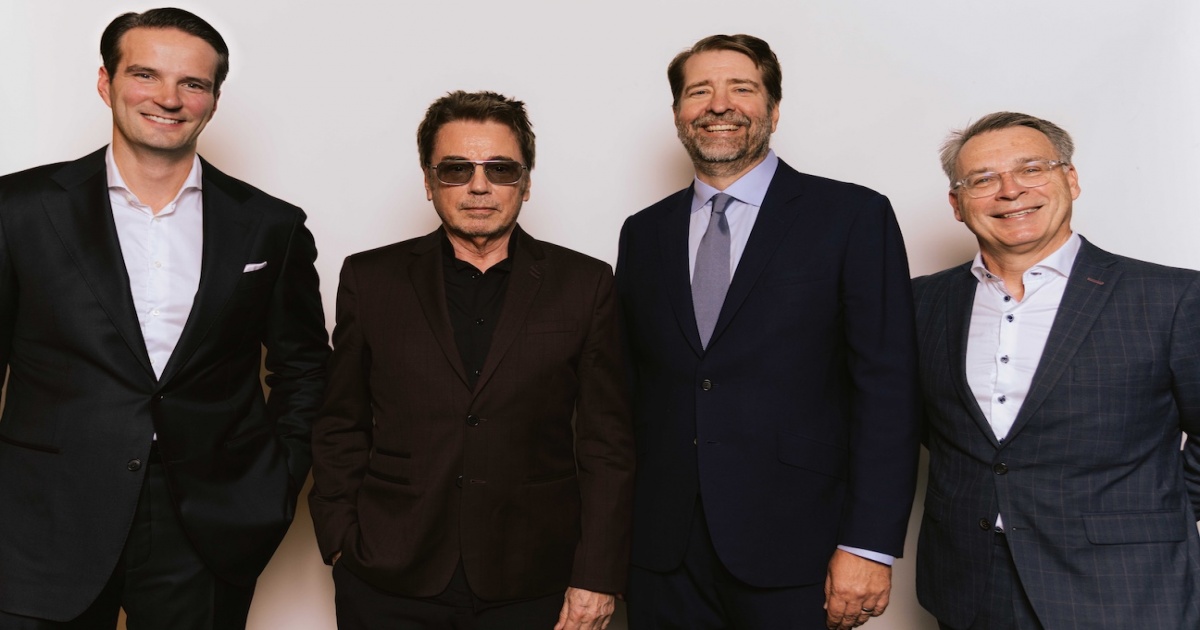
Jean-Michel Jarre has expanded his relationship with BMG into one that now includes his recorded music catalog and future works.
A Global Music Publishing and Record Company
This year marks the 50th anniversary of the Oxygene album. Read on for more on BMG’s new Jean-Michel Jarre deal…
BMG secures exclusive licensing rights to electronic music innovator Jean-Michel Jarre’s recorded catalog across a broad range of territories worldwide.
LONDON (CelebrityAccess) - BMG has deepened its long-standing relationship with electronic music pioneer and innovator Jean-Michel Jarre, expanding the partnership to include licensing of his recorded catalog and future works. The new agreement brings Jarre’s recorded
by Ben Hogwood It is rather sobering to think that Oxygène, the original album, is now 50 years old. Listening to it remains a transporting experience, Jean-Michel Jarre’s remote and often ex…
As he released his most recent album Oxymore, he celebrated the fact he’d lived through three moments of major disruption – and looked forward to more
Familiar giants share space with deeper picks that pushed electronic music in very different directions.
Not many wedding gifts come with a 200-meter stage and a live audience spread across an entire principality. Jean Michel Jarre’s did. On July 1, 2011, Jarre performed a massive open-air concert at Monaco’s Hercules Port to mark the wedding of HSH Prince Albert II and Charlene Wittstock. The free, open-to-all show turned the port […]
Jean-Michel Jarre's Machines: A History of Electronic Music will feature contributions from some of the most influential electronic artists, including Armin van Buuren and Richie Hawtin.
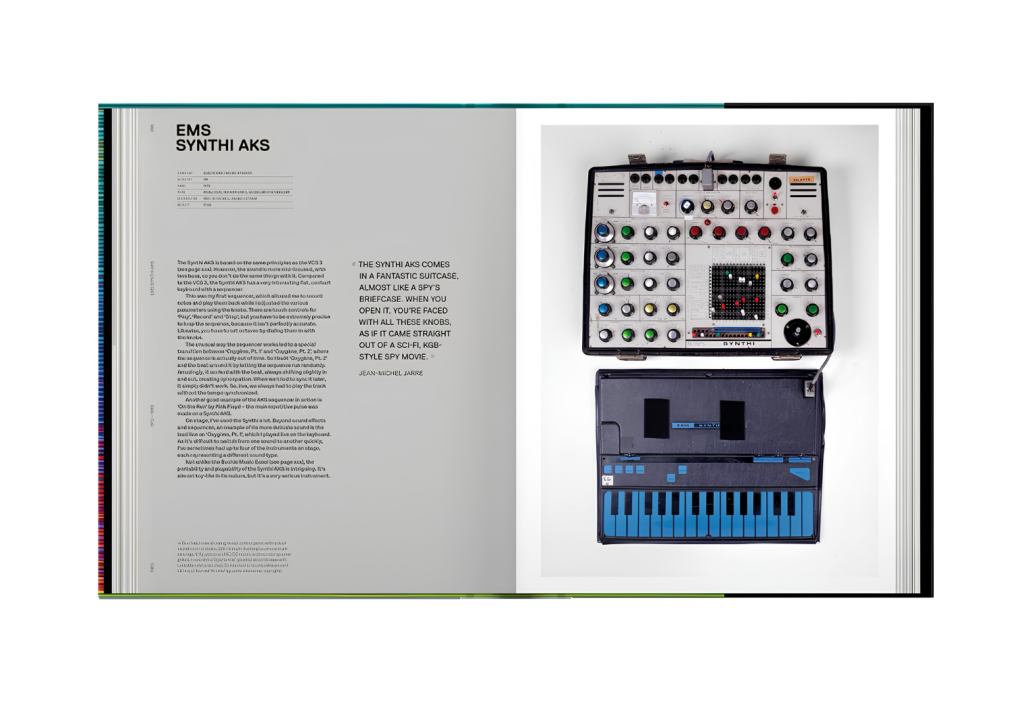
Jean-Michel Jarre traces electronic music's history in 'Machines,' a 368-page book out November 24 featuring his instrument archive.
UK Music PR, Press & Radio plugging, Music Promotion and Band Promotion, Publicity, Event Promotion, Label, London Music PR
Machines: A History of Electronic Music will features contributions from Richie Hawtin, Johnny Marr and Gary Numan.
Jean-Michel Jarre reveals 'Machines: A History of Electronic Music', a book exploring 150 instruments from his collection, with contributions from Gary Numan, Hans Zimmer, and more.
It features contributions from Gary Numan, Armin van Buuren, Vince Clarke, and Hans Zimmer, among others